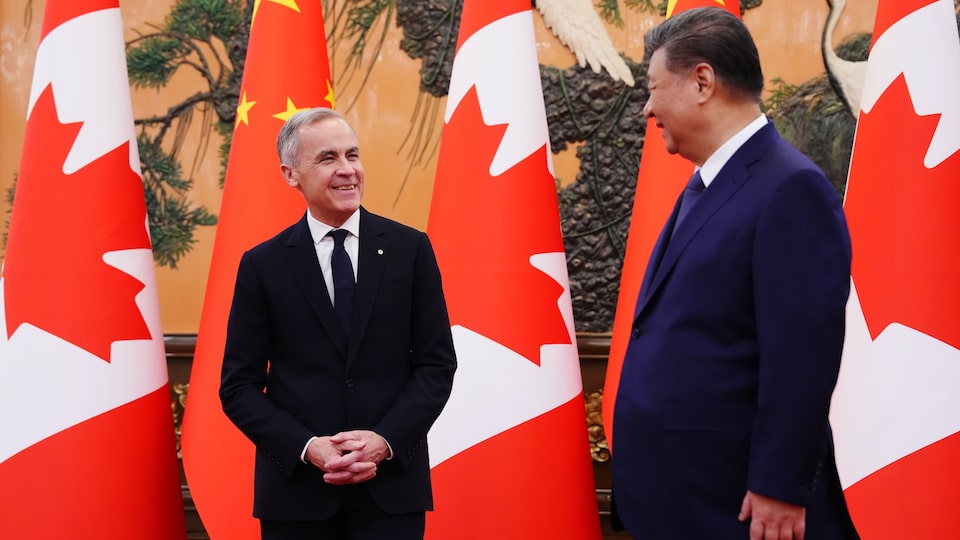
BEIJING -- Canada has reached a deal with Beijing on Friday to slash tariffs on a set number of Chinese electric vehicles in exchange for China dropping duties on agriculture products, Prime Minister Mark Carney said as he concluded a highly-anticipated trip to China.
The deal marks a de-escalation in tensions with a country the Liberal government had, in recent years, branded as a disruptive power, and is getting mixed reactions in Canada.
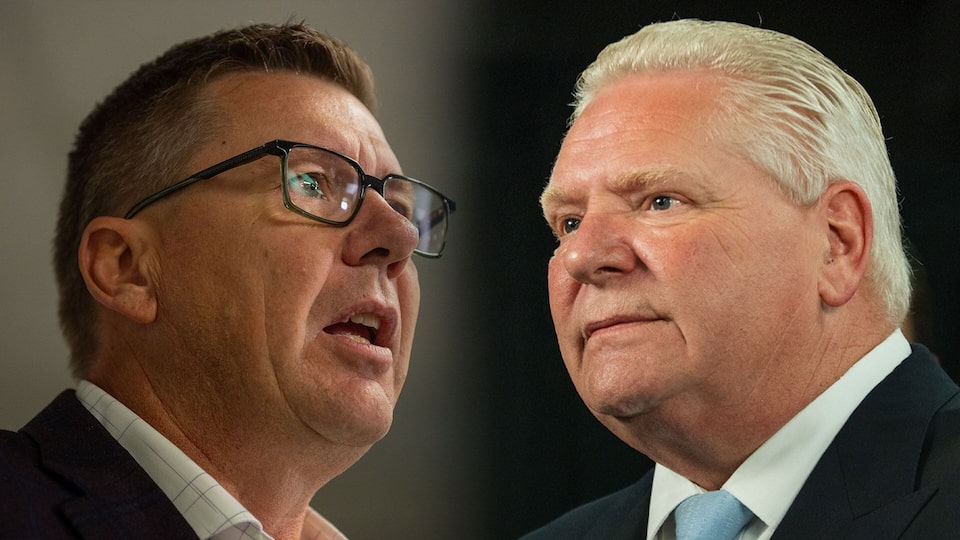
Ontario Premier Doug Ford and some auto industry groups are slamming the plan as a threat to the country’s auto industry, but Saskatchewan Premier Scott Moe, who was in Beijing with Carney, was thrilled to see a deal he said will allow his province’s canola exports to China to return to normal levels
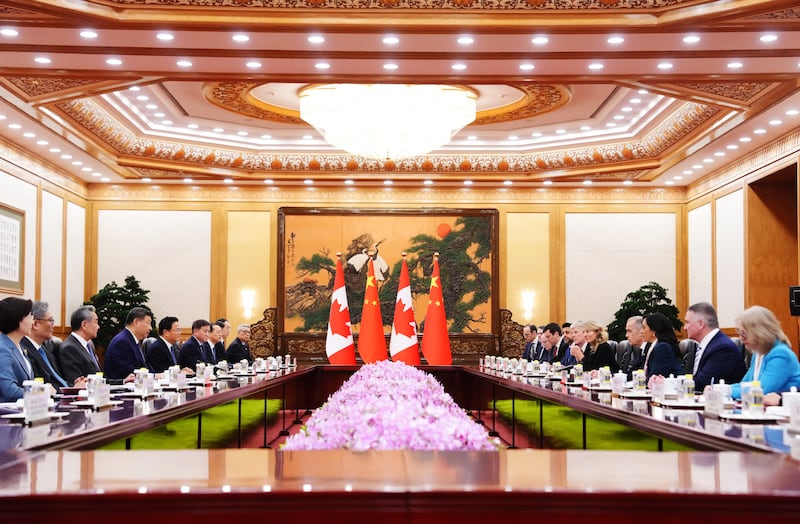
Carney described it as a “preliminary but landmark” agreement to remove trade barriers, part of a broader strategic partnership with China that includes increasing tourism and cultural ties. Carney also said Xi has committed to visa-free travel for Canadians to China.
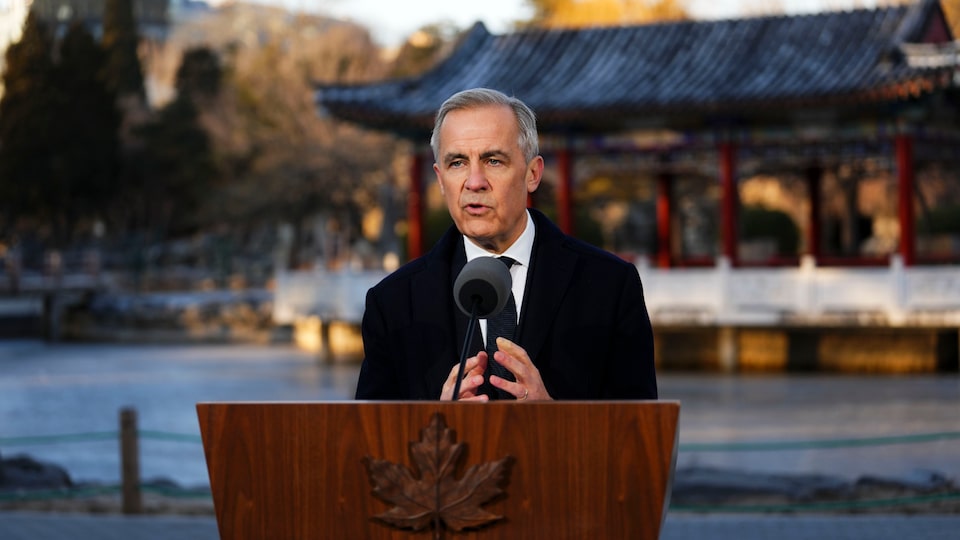
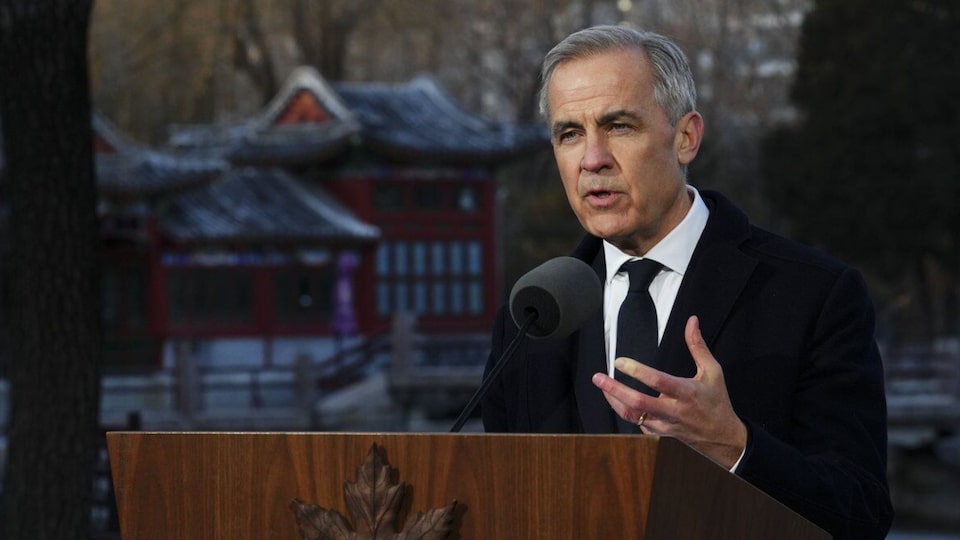
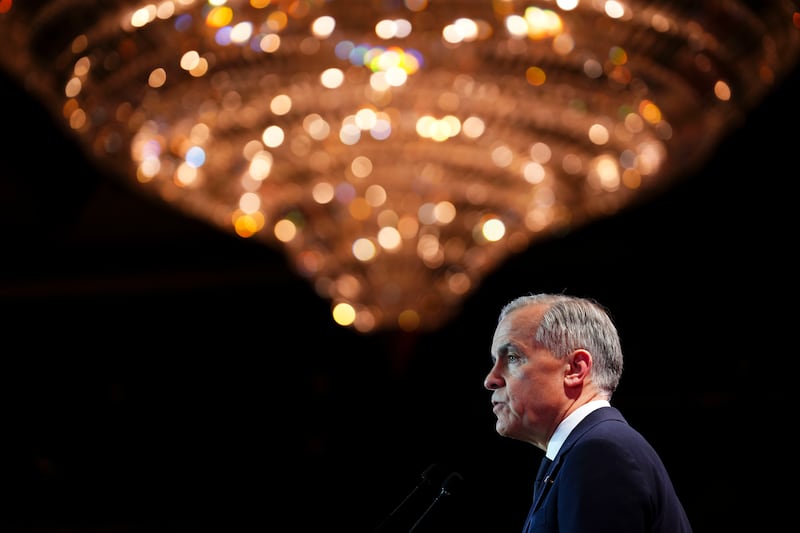
“It’s a partnership that reflects the world as it is today, with an engagement that is realistic, respectful and interest-based,” Carney said at a news conference in Beijing.
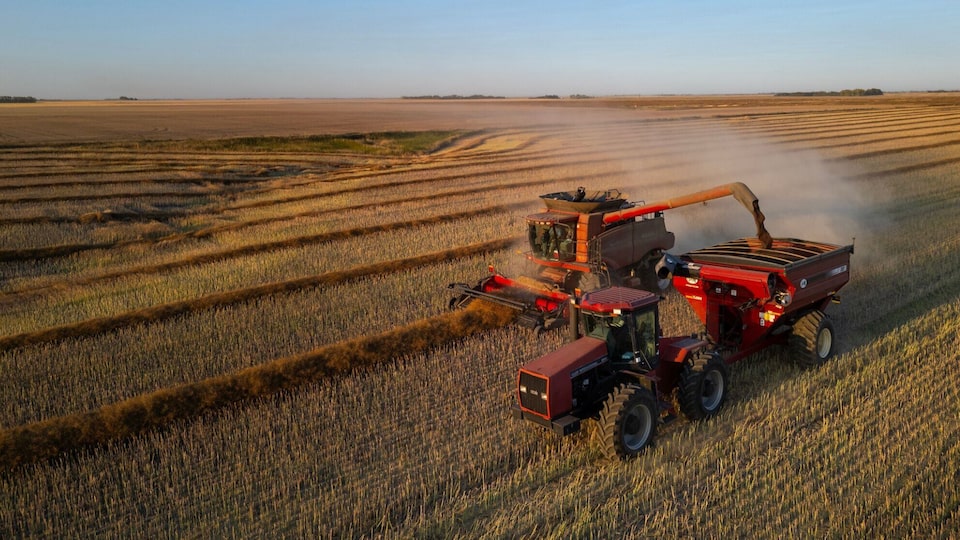
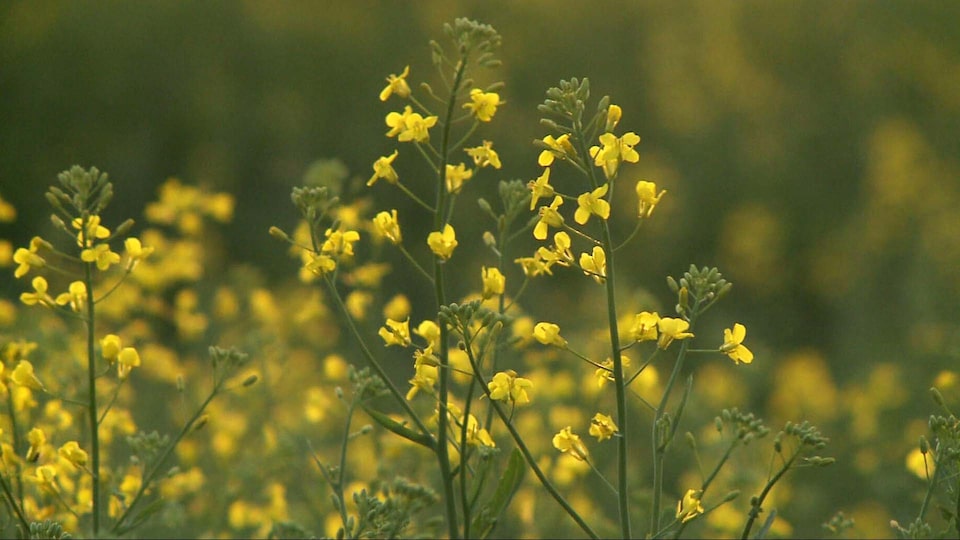
Carney said Ottawa expects Beijing to drop canola seed duties to 15 per cent from 84 per cent by March 1, and called that “enormous progress.”
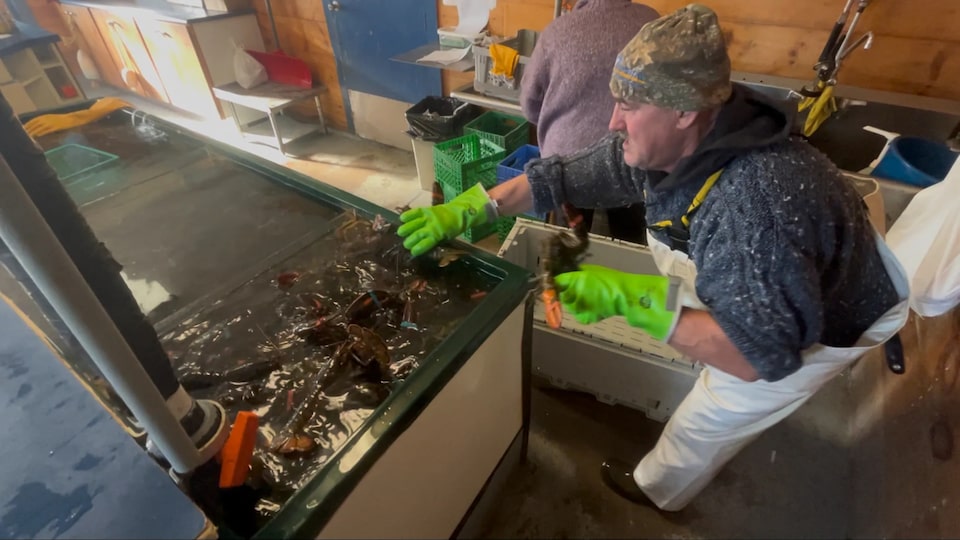
Canadian canola meal, lobsters, crabs and peas will no longer be subject to Chinese “anti-discrimination” tariffs from March to at least the end of the year. There was no mention of canola oil, which is subject to a 100 per cent tariff.
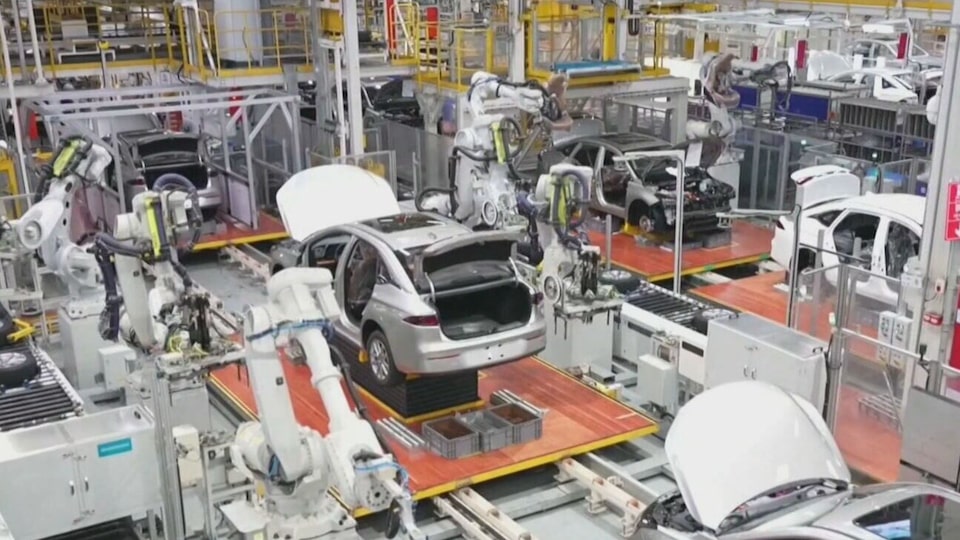
In return, up to 49,000 Chinese electric vehicles will be allowed into the Canadian market each year at a 6.1 per cent tariff instead of the current 100 per cent tariff.
By 2030, half of those imported vehicles will cost less than $35,000 -- a measure that Carney said will ensure EVs are more affordable for Canadians.
He added that the 49,000 vehicles roughly equal the number imported from China in 2023, before the tariffs, and account for less than three per cent of the domestic auto market.
Ford said China now has “a foothold in the Canadian market” that it will use at the expense of Canadian workers.
He said the deal risks closing the door on Canadian automakers to the U.S. market and urged the federal government to support Ontario’s auto sector.
“That means making the sector more competitive by ending the electric vehicle mandate, harmonizing regulations with key trading partners and scrapping federal fees that do nothing but add thousands to the cost of making vehicles and chase away investments,” Ford said in a post on X.
Conservative Leader Pierre Poilievre echoed concerns about Chinese EVs in Canada and asked why there’s no guarantee China’s retaliatory tariffs will be “permanently, immediately or completely eliminated.”
Moe called the deal “very good news for Canada and Saskatchewan.” “Today demonstrates the importance of foreign trade missions and shows what can be achieved when the federal and provincial governments and our export industries work together to strengthen our trade relationships,” he added.
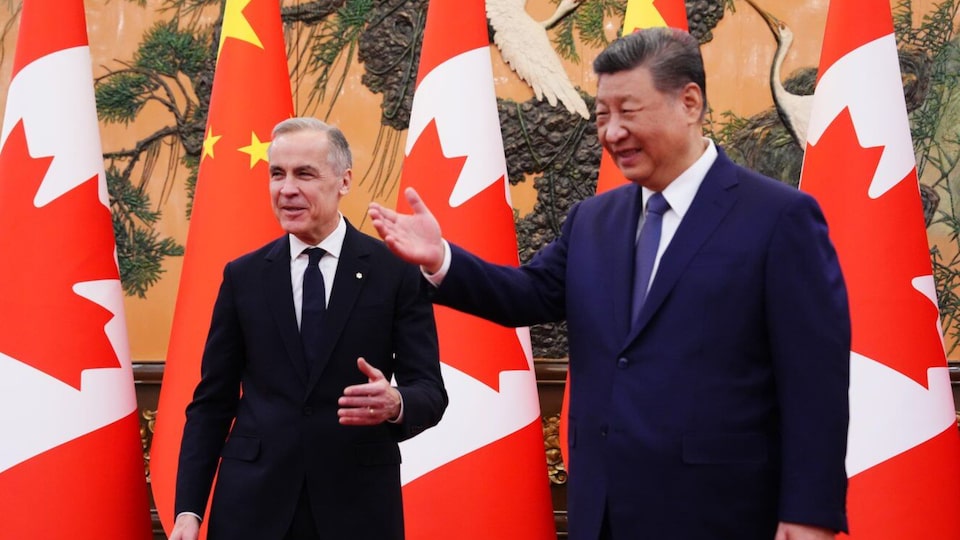
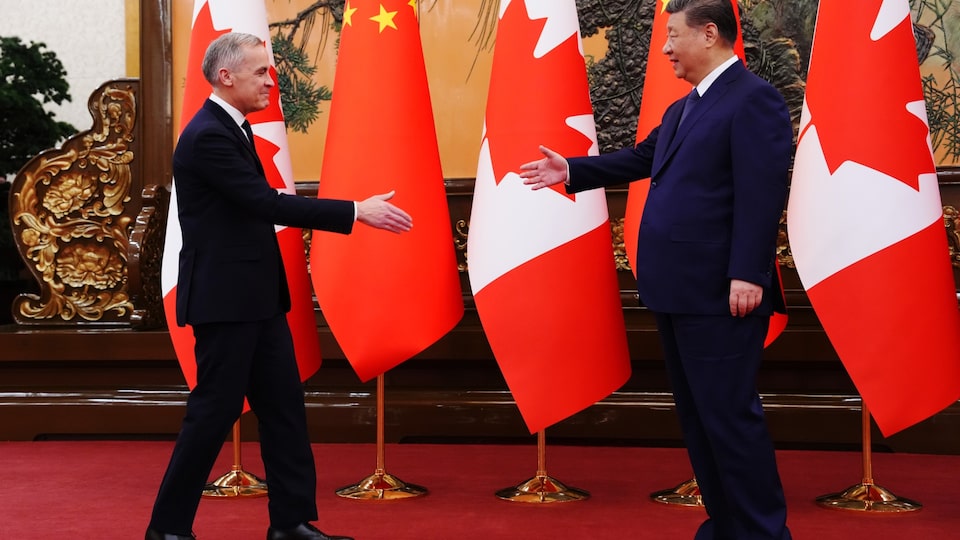
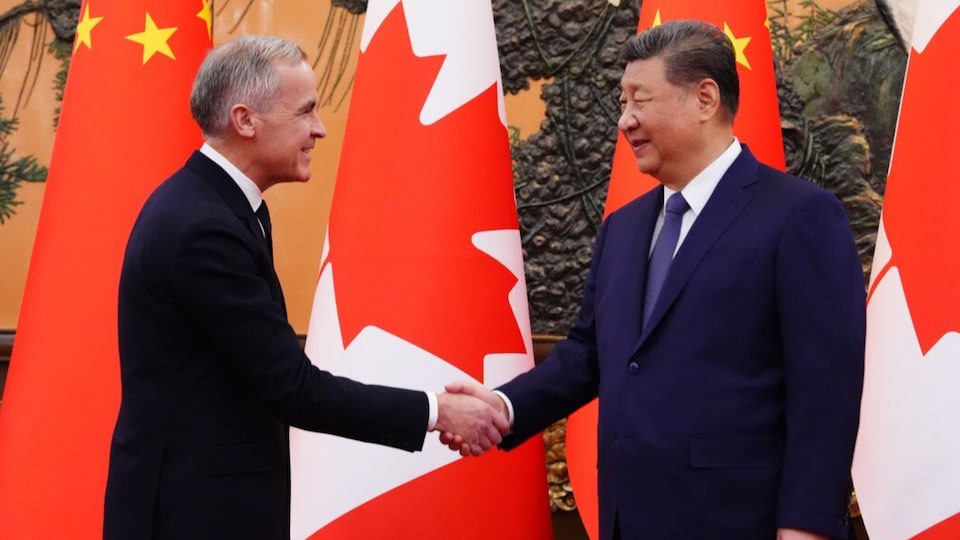
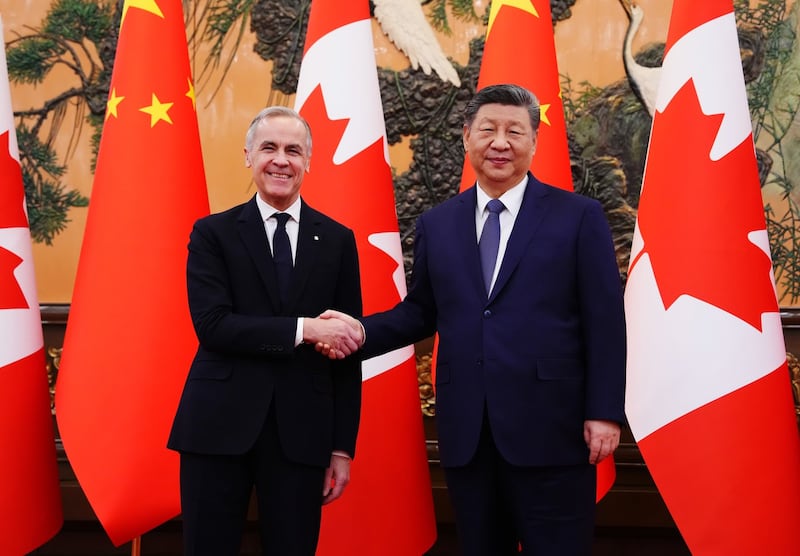
Carney announced the pact after he met with President Xi Jinping on Friday, addressing a trade dispute that began in the fall of 2024.
Former prime minister Justin Trudeau’s government imposed 100 per cent tariffs on Chinese electric vehicles, following moves by former U.S. president Joe Biden and the European Union to counter China’s rapidly growing electric vehicle industry.
Ottawa also imposed a 25 per cent import tax on Chinese steel and aluminum.
China responded in March 2025 with a 100 per cent tariff on Canadian canola oil, peas and other products, along with 25 per cent on pork and seafood products, and later that year added canola seed to its trade actions.
China’s anti-dumping investigation into canola seeds was set to wrap up in March.
Canada is the top global exporter of canola and China is the industry’s second-largest market after the U.S.
Greg Cherewyk, president of Pulse Canada, said tariffs effectively stopped all shipments to China and Canadian yellow peas worth about $700 million a year were being displaced by Russian products.
“It was really important that this didn’t last as long as we had feared it would last, into the years. It was resolved in what really amounts to a short period of time,” he said, adding that the timing is ideal for farmers to make seeding decisions.
Just a year ago, during the spring election, Carney described China as the biggest security threat facing Canada.
Poilievre demanded to know what changed.
“Prime Minister Carney must explain how he has gone from saying China was Canada’s ‘biggest security threat’ before the election to announcing a ‘strategic partnership’ with Beijing after the election,” Poilievre said in a statement.
Carney’s answer to a reporter’s question on the subject Friday was less clearcut.
“The security landscape continues to change, and in a world that’s more dangerous and divided, we face many threats,” he said. “You manage the threats through engagement.”
The deal also comes as the Liberal government seeks to double non-U.S. exports by 2030 -- and boost exports to China by 50 per cent by that date.
Carney said he raised human rights in the meeting with Xi and that Canada’s approach is one of “value-based realism.”
“We fundamentally stand up for human rights, for democracy, territorial integrity, rights to self-determination,” he said. “We take the world as it is, not as we wish it to be.”
Carney and Xi met in the fall on the sidelines of the Asia-Pacific Economic Cooperation forum in South Korea. It marked the first official meeting between the leaders of Canada and China since 2017.
This report by The Canadian Press was first published Jan. 16, 2026.
By Kyle Duggan
With files from Sarah Ritchie in Ottawa