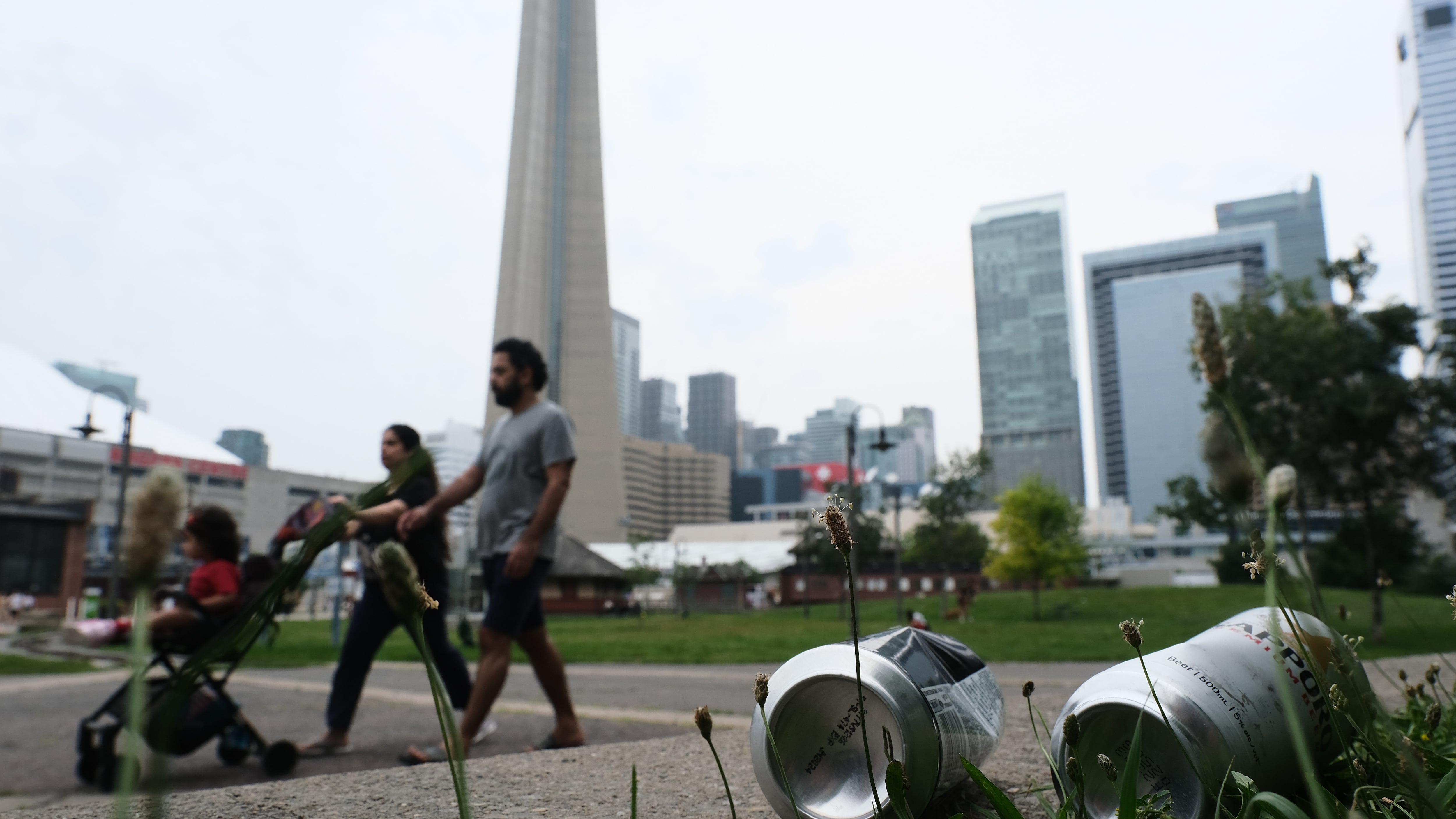
The number of Ontarians who engage in regular binge drinking remains higher than it was prior to the COVID-19 pandemic even as overall alcohol use has declined, new research suggests.
According to the study, which was released by the Centre for Addiction and Mental Health on Monday, while the overall percentage of alcohol use has declined in the province, concerning patterns persist.
The study surveyed 3,012 Ontario adults between Feb. 12 and March 18, 2025, gathering information about a number of health-related behaviours, including smoking, drinking, drug use, mental health, and physical health.
According to the study, overall alcohol usage dropped from 79.9 per cent in 2019 to 76.2 per cent in 2025 but symptoms of alcohol dependence are actually higher than pre-pandemic levels.

About 7.4 per cent of respondents reported symptoms of alcohol dependence in 2019, compared to 13.9 per cent in 2020 and 12.1 per cent in 2025.
Weekly binge drinking, which has been defined as consuming five or more drinks on a single occasion, was at 9.6 per cent in 2025, down from 11.3 per cent in 2020, but up from six per cent in 2019.
Daily drinking among drinkers also remains high in the province following the COVID-19 pandemic, jumping from 7.1 per cent in 2019 to 10.1 per cent in 2025.
“While overall reports of drinking in the past 12 months continue to trend downward, those at a high risk of harm from alcohol continue to drink at record high pandemic levels,” Dr. Leslie Buckley, CAMH Chief of Addictions Division, said in a written statement.
“Alcohol remains one of the leading preventable causes of death in Canada, in large part due to its accessibility and potential for dependence. Increasing availability raises concern about further harm to this higher-risk population.”
Binge drinking, e-cigarette use down in Toronto
With respect to other drugs, cannabis use increased from 25.6 per cent in 2019 to 29.3 per cent in 2025. The percentage of respondents who reported using cocaine over the course of their lifetime jumped from 8.3 per cent in 2019 to 15.1 per cent in 2025.
Men are more likely than women to report daily drinking, weekly binge drinking, hazardous or harmful drinking, and symptoms of alcohol dependence, the study found.
Women were more likely to report use of anti-anxiety or anti-depressant medication, frequent mental distress days, and mental health services use.
Those ages 18 to 29 were more likely than their older counterparts to report weekly binge drinking, symptoms of alcohol dependence, and moderate to high-risk cannabis use.
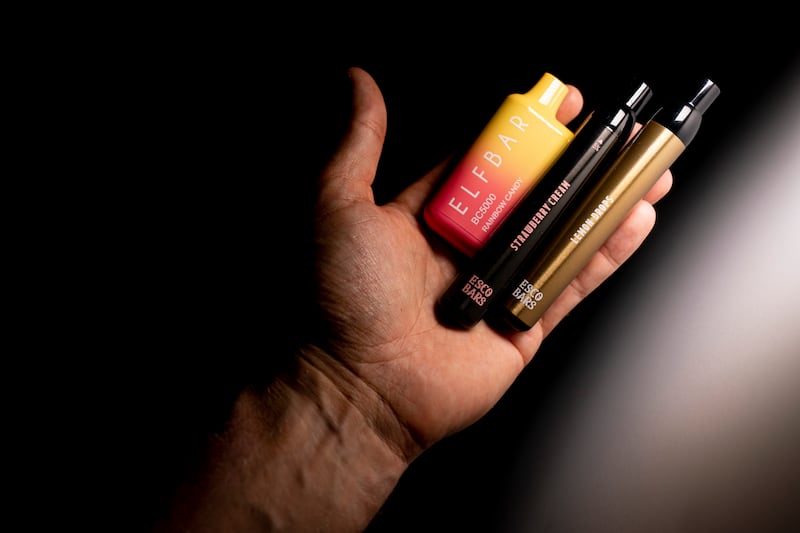
When assessing trends in different regions, the study found that alcohol dependence, weekly binge drinking, daily alcohol use, and e-cigarette use all declined in Toronto.
Use of opioids, both medial and non-medical use, “surged” among the overall sample,” the study found, with non-medical use increasing across “nearly all subgroups” and every region except the north, which saw no change.
“This broad increase underscores a critical area for public health intervention and highlights the urgency of addressing opioid-related harms,” the study’s authors wrote.
‘A stark picture of rising distress’
According to the study, self-reported mental and physical health has stayed at pandemic levels or worsened.
The percentage of respondents who reported “fair or poor self-rated mental health” increased from 26.2 per cent in 2020 to 29 per cent in 2025.
The proportion of respondents that reported fair or poor overall health also jumped from 16.3 per cent in 2020 to 20.8 per cent in 2025.
The use of anti-anxiety medication rose from 22.3 per cent in 2020 to 26.5 per cent in 2025. Anti-depressant use in adults aged 65 and older rose from 10.8 per cent to 16.3 per cent in the same timeframe.
For men, the percentage of respondents that rated their mental health as “fair or poor” jump from 20.8 per cent in 2020 to 25 per cent in 2025.
“Although standardized screening tools do not show a clear increase in the proportion of men meeting criteria for poor mental health, a growing number of men are self-reporting mental distress,” Dr. Omair Husain, Associate Director, Medical Head and Clinician Scientist at the Slaight Family Centre for Youth in Transition at CAMH, said in a written statement.
“This discrepancy may reflect that screening tools are not fully able to discern subjective mental health experiences but also that there is an increased awareness of mental health issues and a greater willingness to acknowledge them in men.”
The study’s authors said the mental health indicators in the research paint a “stark picture of rising distress” in the province.
“The findings of this report highlight the need to strengthen support for mental health and substance use challenges,” the study read.
“Facilitating equitable access to mental health and addiction services, particularly for individuals with complex needs, is important for reducing disparities and improving population health.”