The residents of a housing co-op where a raccoon was injured and a cat named Mildred was killed, including Mildred’s owner, are upset after a judge tossed the charges against a teenage boy over failures to disclose evidence by the Crown and police.
Several people in the Bain Housing Co-Op say they were disappointed to learn Toronto Police “placed no priority on the case” amid a litany of failures, including failing to provide officers’ notes for almost a year and saying some promised evidence didn’t exist, according to a judgement in the case.
“I was stunned, because I had spoken to a number of officers who had interviewed me personally or over the phone, who assured me they were all very concerned and taking it very seriously because they were worried about people’s safety in the future,” said Sara Downing.
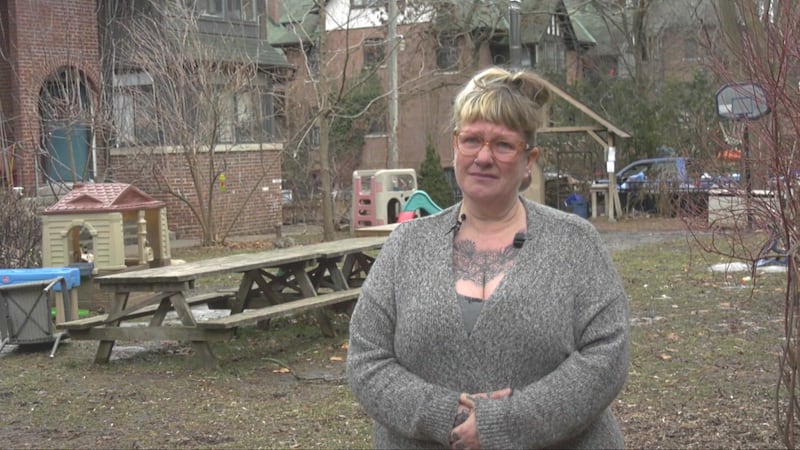
Instead, she’s now “heartbroken and traumatized” again, about 18 months after her cat was found dead under a shed in the neighbourhood, wondering what happened to the evidence and wondering about the whereabouts of the cat itself, which she hoped to cremate.
“I have reached out to the constable and I have not heard back, so I don’t know where she is,” said Downing. “I would like them to take responsibility for the balls that got dropped.”
Police descended into the east-end Toronto neighbourhood in August 2024, following complaints that a raccoon had been beaten with a rock and the cat had been shaved.
Residents had blamed a 16-year-old boy and showed CTV News the site where the raccoon had been maimed and where the cat had been mutilated and apparently shaved.
“She did not die of natural causes,” said Downing.
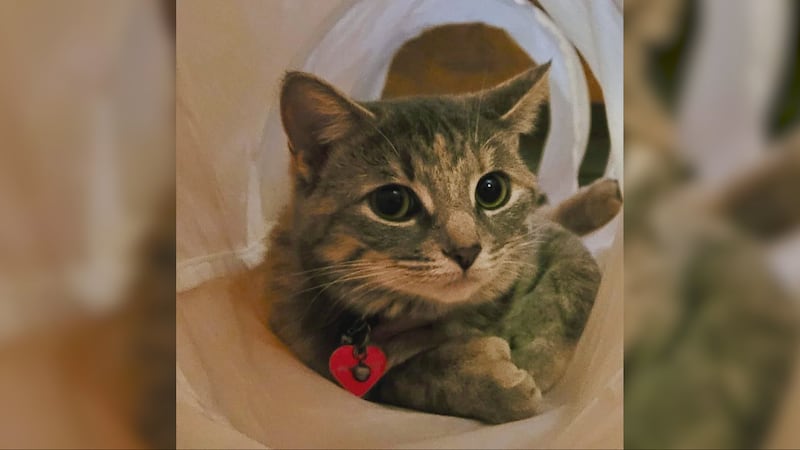
One resident recorded a brief video of what appeared to be the teen lifting a raccoon’s body, which was seen by CTV News. It was among photos of the dead cat and videos provided to the police for the investigation, the residents said.
“We were kind of on high alert because animal abuse was not something that we had witnessed here before,” said Sue Enberg, who took several of the photos.
The boy faced animal cruelty charges and cannot be identified under the Youth Criminal Justice Act.
“It was really nice to speak with some police officers and have them assure us they were taking it really serious and that this would be handled, because it felt like there was threat right outside our front doors,” said neighbour Megan Robinson.
Judge cites issues
But the case collapsed this week when a judge said it had faced serious delays and problems tracking evidence.
Among the issues, according to the scathing decision by Ontario Court Justice Seth Weinstein, are: the photos of the cat were never provided, many items seized from the teen’s home had never been forensically tested, and it’s not clear whether a computer tower from his home has ever been analyzed.
The case was not as complex as the officers claimed, Weinstein wrote: “Rather, they reflect an investigation plagued by disorganization, a lack of resources, oversights and indifference to the disclosure process.”
“The police placed no priority on this case,” Weinstein wrote.
Meanwhile, the teen’s family was facing pressure as his name and address had been published and the family was repeatedly harassed before ultimately moving away from the neighbourhood, Weinstein said.
Annamaria Enenajor, who represented the teen, said, “This case collapsed under the weight of investigative error.
“When allegations are this serious, especially against a young person, the investigation needs to be careful and thorough. In this case, long delays betrayed an investigation that lacked evidence and was inadequate from the start. These charges should never have been brought against my client,” she said.
The teen’s family said in a statement that they have “always known” their child could not be responsible for the allegations and felt they were targeted by “a despicable frenzy of online fan fiction based on stereotypes and real-life vigilantism.”
“Our lives have been irrevocably altered,” the family said.
The justice said one officer said she was managing multiple investigative tasks at the time and didn’t realize that her notes hadn’t been properly transmitted.
The Toronto Police said they are aware of the judgment and referred questions about tracking cases to the Ministry of the Attorney General.
Downing said she had a great deal of sympathy for the teen and his family.
“I felt so sad for him. I feel like he’s clearly not well,” she said.
Enberg said the police should now get to the bottom of what happened in their investigation.
“Do your job better. You’ve got so much money coming your way right now. If you know there are structural deficiencies, damn it, fix it,” she said.