Content warning: This story contains details about suicide and self-harm.
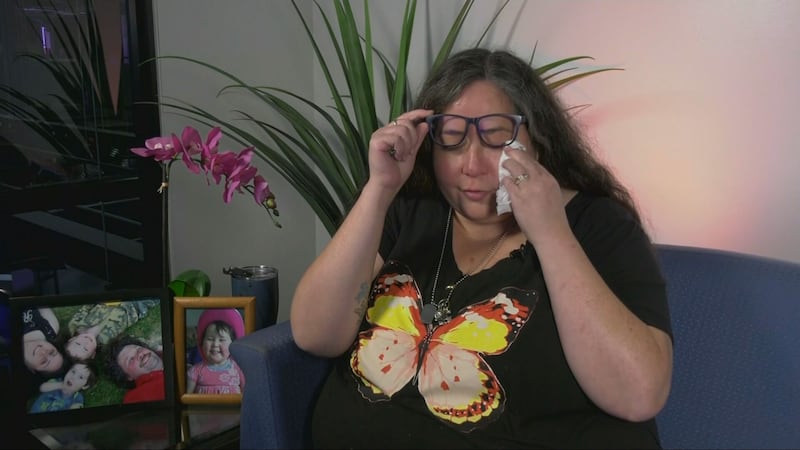
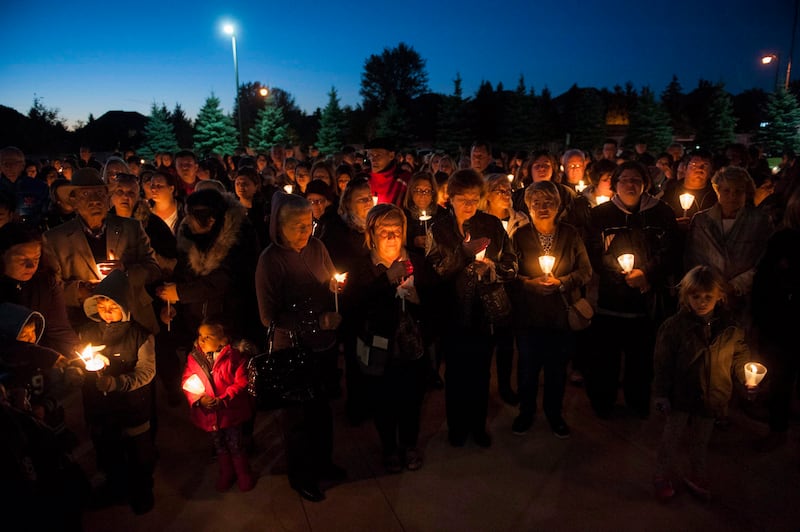
This Saturday marks 10 years since the Vaughan, Ont., crash that claimed the lives of three young children and their grandfather, and their mother Jennifer Neville-Lake is reflecting on her life without them.
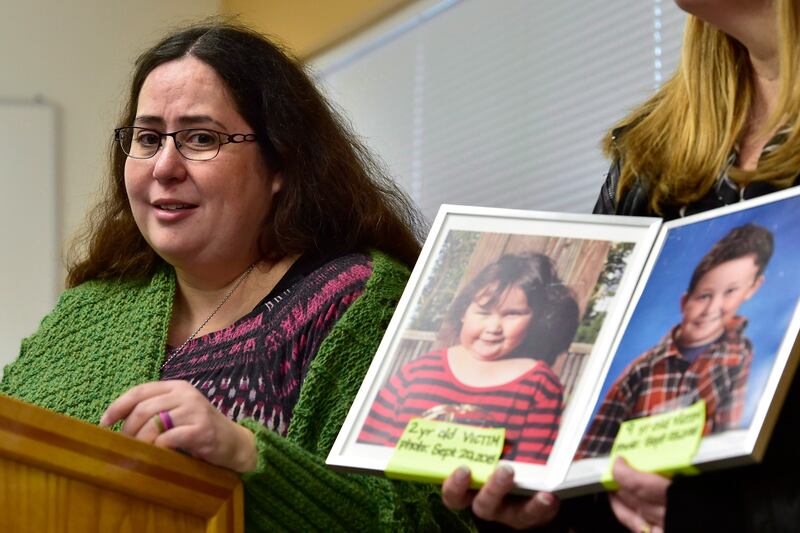
On Sept. 27, 2015, Marco Muzzo sped through a stop sign and crashed his Jeep Cherokee into a minivan carrying Gary Neville, 65, Neville-Lake’s father, and her three children, Daniel, 9, Harrison (Harry), 5 and Milagros (Milly), 2.
The children’s grandmother and great-grandmother were also in the vehicle and were seriously injured.
At the time of the deadly collision, Muzzo was heading home from Toronto Pearson International Airport. He had just flown in from Miami, where he was celebrating his bachelor party.
According to an agreed statement of facts read in court, a police officer who was called to the scene said Muzzo had glossy eyes, smelled of alcohol and had urinated on himself.
A toxicologist reported that Muzzo was about three times over the legal limit of alcohol consumption while behind the wheel.
Muzzo pleaded guilty to four counts of impaired driving causing death and two counts of impaired driving causing bodily harm. He was sentenced to 10 years behind bars in March 2016 and was granted full parole in February 2021.
His statutory release date was June 18, 2022, and his warrant expiry date–the end of his sentence–was July 28, 2025.
In June 2022, the children’s father and Neville-Lake’s husband, Edward, died by suicide shortly before Father’s Day, and in June 2024, the home that Neville-Lake had been living in caught fire, resulting in the destruction of urns holding her children’s ashes, Neville-Lake told CP24.
She also shared with CP24 that she and her husband had suffered a miscarriage in the past, though she didn’t specify when.
CP24’s Steve Ryan sat down with the still-grieving mother earlier this week for an exclusive interview, where she shared personal reflections on life without her children and father 10 years on, and how she is trying to move forward and forge a new legacy.
With files from The Canadian Press
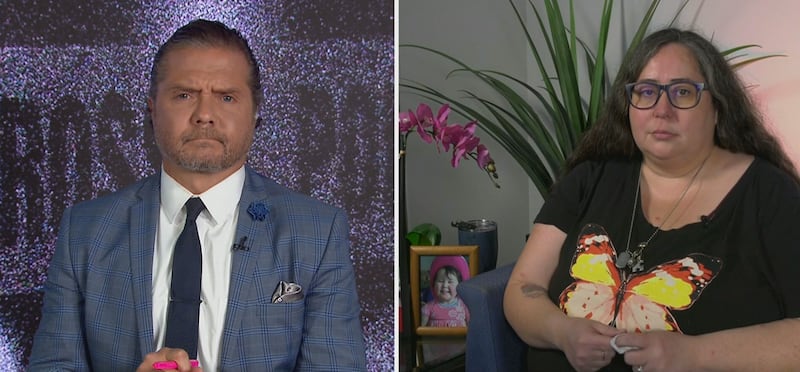
Read the complete transcript of CP24’s exclusive interview with Jennifer Neville-Lake:
STEVE RYAN: Jennifer, thank you for your time, and I really do appreciate you doing this.
JENNIFER NEVILLE-LAKE: Thank you for having me on.
RYAN: In a few days, Jen, it’ll be 10 years since you lost your family. How are you and who are you, 10 years later?
NEVILLE-LAKE: How am I? I’m here. That’s the best answer I can give. And who am I? I don’t know. In a way, I feel as if I’m going back through puberty, going back through all the decisions I made in my late childhood and early adulthood to try to figure that out, because I’ve been... every dream that Edward and I had, that I was building with him, they’re all gone. Everything from career to my kids, so I’m trying to figure it out to be honest.
I’m, you know, there are a lot of things that I have always done that still bring me comfort, like knitting and stuff. So, as to actually myself, I don’t know. I hope I’m still a good person, but honestly, when I look at myself, I see me more as, you know, the evil stepmother, the wicked witch in the fairytales I used to read my kids, because I think I’ve become a very self-centred and vain person, much more than I was before. So, that’s who I am right now.
I need a lot of help to get out, to go places. I’m not as independent. I feel more as if I’m a drain on society, on the world. So, that’s what I see of myself today.
RYAN: You talked about lots of support. You have a support group with you. Can you tell us just how important they are and what they do for you?
NEVILLE-LAKE: They keep me alive. The people, there are many different streams of support. There’s the physical care support, the (personal support workers), the rehabilitation support workers, the occupational therapist, physiotherapist, psychologist, psychiatrist. Those are the medical professional staff that work with me weekly, if not daily. And then there are the people that I never have the chance to see, which is the online community and the people who write letters of support, honour my children, honour my family. They let me know.
And then there are the people who... I call them my fireflies. They are the people who choose to walk with me through this. They’re the ones who are active -- day in, day out -- who aren’t paid staff, who are absolutely wonderful. And they take me into their homes. They help me. They help me think, help me make decisions, help me survive and bring a lot of, how do you say, like colour and light to my darkness? Because when the paid staff leave, there’s that lull. There’s that period until the next one comes in, you know, and it’s been a very difficult adjustment, having constant 24-hour staff for a number of years, paid staff with friends supplementing as much as they could. And then drifting or decreasing that financially is almost impossible. So, I really, really appreciate my fireflies who, for whatever reason, seem to like me and seem to want to be with me.
RYAN: How important is that 24-hour care? How important is that 24-hour support that you receive? Can you maybe give us some insight into just what this occurrence has cost you and how you need to have that support around the clock for you to just be able to breathe?
NEVILLE-LAKE: Well, I mean, they say when you’re a grown up, it’s really hard, right? When you’re a kid, you hear that all the time. And when you’re a grown up who’s had their life destroyed, obliterated, smashed up, and there’s all these pieces you’re trying to catch and juggle and figure out where pieces go... and at the same time, there’s a lot of people who are looking at you, looking towards you, judging you, withholding answers from you about your children for whatever reason, it’s a lot. So, the 24-hour care was implemented almost immediately because of the risk of suicide, because the night that Harry and Milly died, and we went to see my mom, and then I wanted to see Daniel and they told me I couldn’t see Daniel because he was considered property now, property of the coroner -- he stopped being a person and started to be property -- I didn’t have any rights to my child until they told me I could see him, until I was allowed to see him again.
And when I left the hospital, my friends that were with us, the York Regional Police sent officers with us as well... we took off because I... this wasn’t real. I didn’t want to have this. And so, we were downtown, and I don’t know which subway station, which streetcar, but there were streetcars coming in, like leaving the tunnels and I was going to jump in front of it. And my friend, he knocked me down, and he told me, “Not you too.” And from then on, 24-hour. He moved into our house that day with his girlfriend, and they stayed there for a few weeks until the professional staff was sorted out, and they started 24 hours.
That was my life for years, except for whether it would be, you know... There would be a hand off between the night staff to the day staff, then back to the night staff. If I want to go out, if I want to go places, it’s a lot. It had started to die down. Ed and I were not needing the 24 hours so much because there were cameras, there were safety checks, there was everything that possibly could have been put into place to try to give us some independence, because the reality is it felt more like we were in prison, and we didn’t do anything.
And then Ed died. Came home, and he died, and there was nobody there. There was no one there that night.
So, since then, 24 hours, is something I have to consider. I understand it’s for my safety, and so co-operation is important, and so I do. Does that answer your question?
RYAN: Yeah, it does. Nothing that you or your family did has led to you being the face of the devastation that impaired driving can cause a family. Ten years later is that a burden for you? Or is it more of a calling at this point in time?
NEVILLE-LAKE: That’s an interesting question. Is it a burden, or is it a calling? I considered my calling to help people. I was a pediatric behavioural therapist. I worked with children who had special needs. That was my calling. That’s what I wanted to do. That was my career. That’s what I was working towards. And, as far as I know, I had been pretty successful at it. Is it a burden? That’s... I don’t know. It’s what I’m known for. I’m known as that mom. You know, my name and the offender’s name will forever be twinned. I’m known for how my family was killed. And I wish I was known for any other reason, pretty much.
I wish I was known for... that you knew me as the slightly crunchy, probably a little kooky lady down the street who will feed you spinach cupcakes. You know? I would rather have been known for that and was known for that... Oh, and handing out little glass containers of homemade deodorant at company-wide functions because I thought it was better, and I told everybody about it, and I saved all sorts of baby food jars just so I could do that. I’d rather be known as that mom than the mom I’m known for. So, I don’t know if it’s... it is something that is a part of me. I don’t deny, I don’t lie about it. I just wish so much that my favourite photo of my kids is not the photo everyone knows them by because they’re dead.
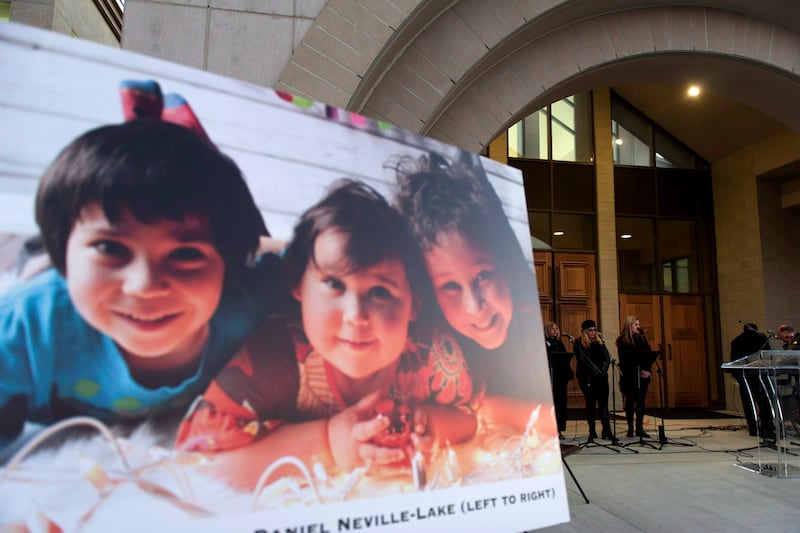
RYAN: Such unimaginable loss. Where do you find your strength and and your resilience? I mean, I admire you just for sitting here and telling the story. Where do you find that strength and resilience?
NEVILLE-LAKE: When I see... “Courage is fear with a brave face” is what my dad had always told me when I was a little girl. Ever since I was little. And, I think of that a lot. It’s almost like my motto. When I walk out of the house, when I go to do something, courage is fear with a brave face, because the reality is I am afraid of the world. Look what the world did. Look what society did. And I’m scared. So, I look to the people that I consider my touchstones, that I consider my guides. The ones that are willing to, “Hey, I need a hug. Could I have a hug?” And even if they’re annoyed, mad -- because I’m sure I do that to a lot of people these days with my constant questions -- they give it to me. You know, skin hunger is a layman’s term for one of the psychiatric things they told me I have. The longing to touch my living children again, because the last time I touched them, they were dead. And a dead body is very different than a living one.
So, I guess that’s where... It’s that biofeedback from people that I know care about me and are willing to help me with not just the glitz and the glamour, but to help me figure out, “Oh, my goodness, I want to can these tomatoes. How do I do that?” And they come and they help me. Or, you know, they heard I need help with boxes for moving, or when I had the fire last year, and I’m looking for my kids’ urns, and they’re giving me what containers they can find. They’re bringing over shovels, that sort of thing. I guess you could say I look to the people that are around me that show me grace and compassion, and that is where I get mine from, because, I guess like attracts like, like imitates like, I don’t know. But I look to the helpers, as Mr. Rogers would say, the ones who help me. And if they’re going to show up, then I’m going to show up as best I can.
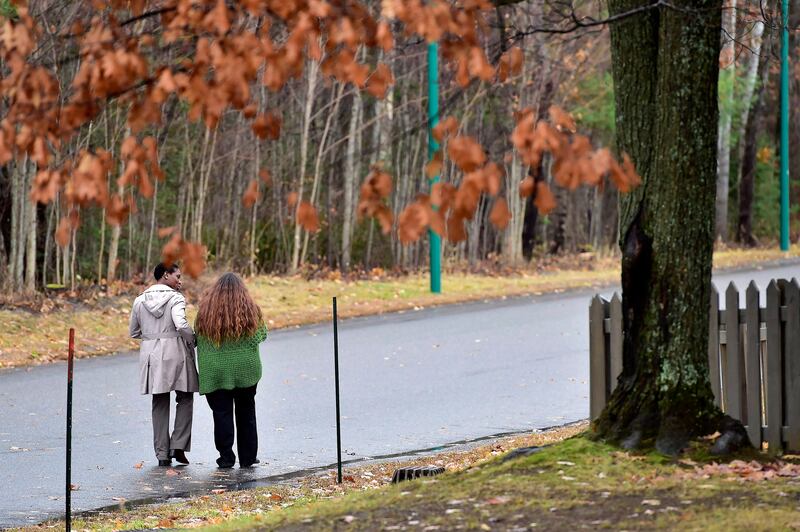
RYAN: Is there comfort in talking about your family?
NEVILLE-LAKE: There is comfort in talking about them the same way that there’s comfort in you talking about a relative that you haven’t seen in a while, and that you miss them, and you hope you get to see them soon, and you’re remembering the good times. And it’s those good times that I focus on, that’s where the comfort lies... when I look towards the past. Because every part... I’m more of a writer than somebody who does photos and things. Every time I think about those words that I had written when they were alive, it’s almost like a template, like a colouring book. You can photocopy it and colour the same page 25 different ways. My Facebook posts are my reminders, my only reminders now, since the fire really, of my life, my beautiful life with my family, and so when I read those words, and I talk about those words, each time I do it, I can paint a different picture. I can make it different. So, it’s almost like they’re still here with me, which a lot of people reassure me they are still here, spiritually.
It’s a fight to be out in the real world. The world where you’re sitting and talking to me. It is very nice inside my head, because they’re alive and Edward’s alive, and my dad is alive, and my world is the way it should be. And the (baby) we lost is alive too. Here it is very mundane, shades of mundane, very grey, for lack of a better term. And so I’m looking always for those bright spots and remembering my people, my littles, that make me happy, because I was really proud of the woman I was then. Really, really proud of that Jennifer. Fills my cup, I guess you could say.
Sometimes I wonder what she would think of me now. If the Jen from 10 years ago today stood and took a look at me, what she would say?
RYAN: Jennifer, how do you keep Milly, Harrison, Daniel, Ed and your dad close to you? Is that possible? How do you do that?
NEVILLE-LAKE: How do I keep them close to me? Well, I have my kids’ names tattooed on my back, over my heart, and if you wanted to see them... they don’t look like anything, unless you look at it from my perspective. And I did that deliberately because I wanted to be able to see them. And if I wanted to share with somebody, they would have to see it from my perspective. I keep them close to me by thinking of them throughout the day, incorporating them, I guess you could say, in my natural day-to-day activities. So, if I’m out shopping and I see something that I think Harry would have liked, I don’t fight with myself to not buy it. I just accept it, buy it, and then pass it on. So, that’s one way that I keep them close to me.
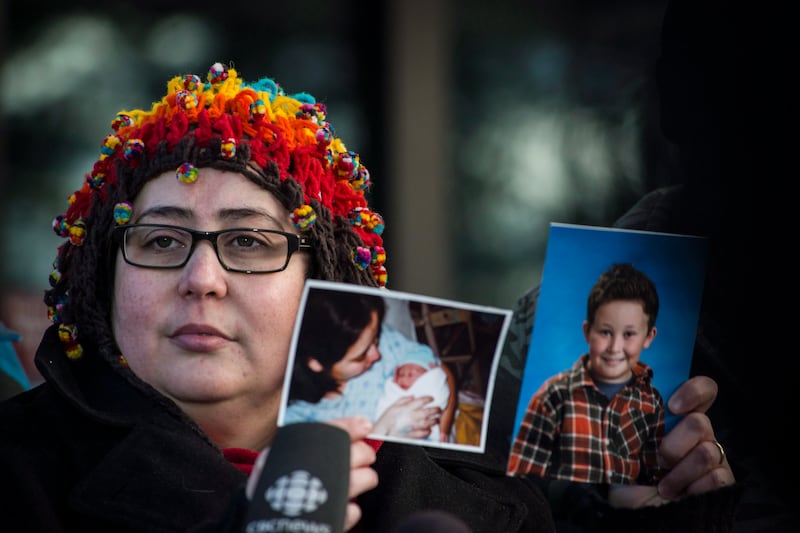
Their birthday parties at the cemetery, at their forever bed as we call it, because “cemetery” and “graves” and “coffins” are such horrible words that do not belong with children, in my opinion. We have those picnics and we celebrate them, and we donate what we bring. Same with Ed and same with my dad. I have “Many Hands, Doing Good” (a volunteer funding group for arts programs for children with trauma) that I started, and I have an event for Edward on his birthday, which is also Mother’s Day weekend. We plant the seed for Ed, to honour his love of gardening and growing flowers... because I really do love the symmetry, the visual of growing, of people growing, particularly little people growing up.
RYAN: You mentioned your husband, Ed. You lost him to suicide. Is that loss different than the loss of your children and your father?
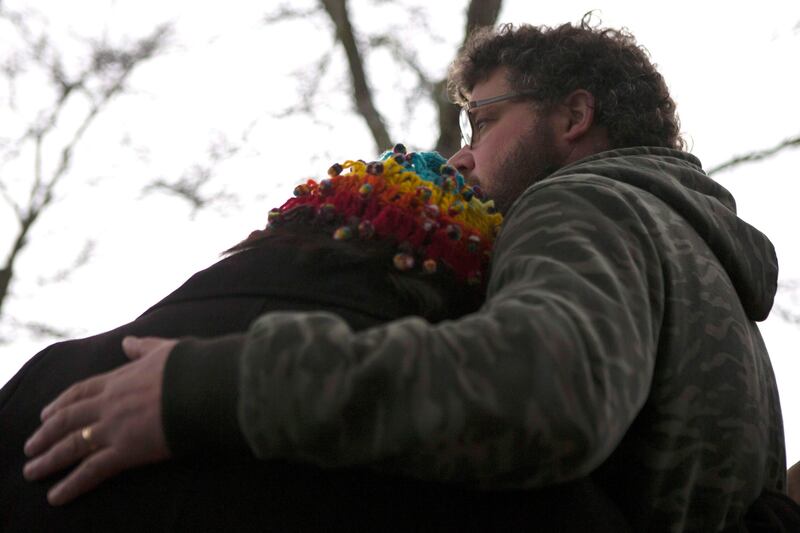
NEVILLE-LAKE: It’s different in a lot of ways. Losing Ed was was very hard. I guess one of the most obvious ways it’s different is one person versus four. One person. And it’s a very... Since our family was killed, Edward and I had a lot of struggles. What married couple doesn’t? I mean, our children were killed five days before our 10th wedding anniversary. Sorry... Daniel was killed five days before our 10th wedding anniversary. Harry and Milly died four days before. That plays a huge role in a married couple’s life. And losing the last one that we had just found out we were going to be welcoming into our family too. That plays a lot. And then the scrutiny. It got to Ed and it got to me too. And there are times... Our grief journeys, although around the same people, were very different. Very, very, very different. And so it was very different to lose Ed versus (our unborn child) versus losing my kids and my dad.
RYAN: Can I ask you to share a brief memory that you have of each of them? One that makes you smile? Is that too hard of a question?
NEVILLE-LAKE: I’m so glad you asked me about them... to share that. Thank you.
So for Daniel, because he’s the oldest. He loved to dance, he loved to sing, he loved everything. So, the memory I’ll share with you of Daniel is one where we borrowed my mom’s iPad to test out a speech-to-text program for Harrison, because Harry couldn’t... we didn’t think he’d be able to use writing devices successfully. And so, when we got the iPad, we were testing it out and Daniel, of course, found the videos and how to record. So, he did this whole dance routine to “I’m the Grumpy Old Troll.” I think it was from Dora The Explorer. And he’s singing and dancing in our front hallway, complete with like, going down on his knees and twirling and everything. It was a really nice... It’s a lot of fun. And then he wanted me to be the videographer, which was absolutely a horrible idea because I am not very good with cameras, but we got through it, and his were much better than mine.
For Harrison... I came home from work their last Thursday, and Milly and Harry were in the kitchen, and Milly was helping him pour milk into a big bowl, and I was like, “Where’s your dad?” And Ed was in the bathroom, and the kids... Daniel was, I think, upstairs, I’m not sure, but it was this massive bowl that we had for making flour, bread, that sort of baked goods in. So, I looked in the bowl and I said, “What have you guys got in here?” And Harrison proudly told me, “34 cups of flour and a bag of milk,” and he was struggling because he couldn’t open up the new bag of milk because he had special scissors that were quite blunt... And so Milly was helping him open up the new bag of milk by tossing it on the floor. And so I was like, “Alright, you guys, what do you want to make with these?” And Harrison wanted to make special muffins. So, we went outside and we got two separate things of ingredients, chives and grass, and then we made special muffins, more like fritters, you know, once we came back in. We separated it out, I finished off the batter with Daniel’s assistance. So, there were grass muffins and there were chive muffins, and Harry wanted to make sure he brought some to his best friend. So, he brought them... put them in the van to bring to her. And by the way, they gave Edward one of the special grass muffins, and he said they were delicious.
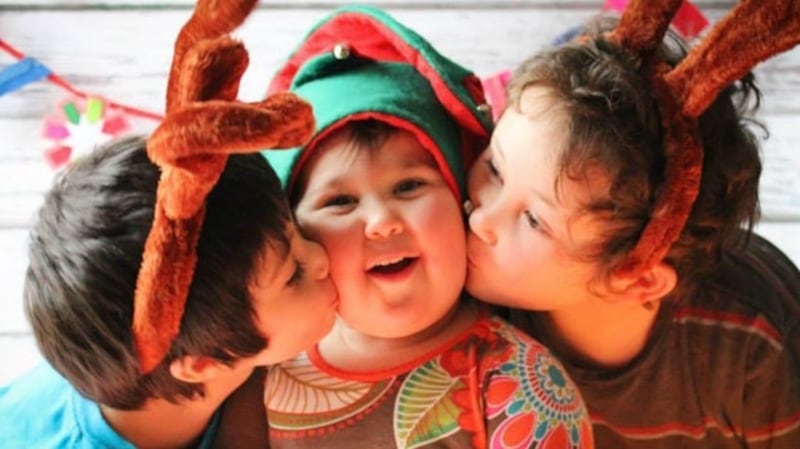
As for Milagros... What memory of my Milly? So, I came home from work early. Now, Milly, like her mama, loved routine, so she would... In Milly’s world, mom left for work, daddy took her brothers to school, and then she would have the day with daddy, and then they would go pick up (her brothers) and come home, and then I would come home after that. Because Ed worked evenings and weekends, so he was home for part of the week with them, so it was a day, and the rest of time, my parents helped out with child care. But that day, I had an appointment with Harry in the afternoon, so I came home from work early, and I walked in and Milly is shirtless, and she was on her knees, and she’s scrubbing at a little spot on the floor. And Edward was also shirtless, scrubbing at a bigger spot on the floor, because Milly had taken her sippy cup and had learned that not only could you suck from it, but you could flip it upside down and shake it. And so, you know, juice or whatever she was drinking went everywhere. And of course Ed being a very in-the-moment dad had taken off his shirt to do that, which meant Milly had to take off her shirt to do that, to clean it up. So I came in so excited to see her, because I was going to get this little extra time with my little girl, and she told me to go... go work. I was like, “Really?” So, you know, I did the afternoon nap with her and everything, and it was great on my end. Again, when she woke up, she was quite confused, because her routine was disrupted, but she was really good about it, and then so that it didn’t go anymore nuts, I didn’t take her with me so she could stay with her daddy. I picked up Harry, we went for our appointment, and then she went to go pick Daniel up alone.
Did you want an Edward one too? And my dad? Or just my kids?
RYAN: No, you tell me, Ed and your dad.
NEVILLE-LAKE: Oh, gosh, there’s so many of my dad. When I was little, my dad, he would read us the “One a Day” fairytale storybooks and, you know, it was great for my sister and I. But then he would read me the (Canada Revenue Agency) tax booklets, because he was an accountant. So every time he got those, the new ones... And he would read them throughout the year. And then he would just keep reading and rereading like, I guess, old ones, new ones, I don’t know. I’m not sure why he did that, but he would always read those ones to me. And it seemed to be only me, because my brother and sister never really had that. But he did start reading them again to Daniel. And so part of my kids’ story time when they were at my parents’ house was not just the “One a Day” fairytale books from when I was a child, but also the CRA ones that he read me too, which I thought was really sweet of my dad to continue to do.
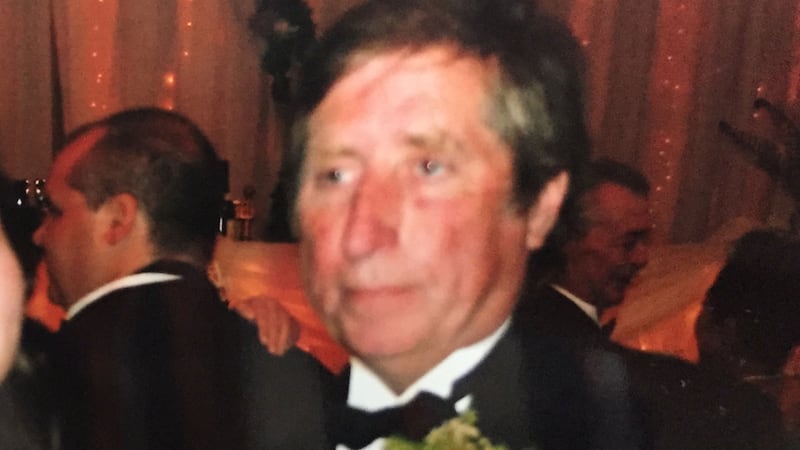
And an Edward one. Oh, there’s so many of Edward, because Edward, being from a small town up north, he had a slightly different way of doing things than people in Brampton. So, he had a wagon wheel, you know, one of those, like, big ones that are solid metal? And he put it as a lawn ornament on our front lawn. And he was really happy one day, he took care of it... I just assumed you just put it in the ground. But one day, we came home from a snowfall and there were tire tracks and footprints in from our driveway to where it was. And you could see someone was really, really reefing on it to try to get it. And Edward was so happy, so proud of himself, because he had cemented it into the grounds. I didn’t know that... He installed it on a pole, welded it on a pole, and cemented it into the ground, so there was no way that was moving. So, yeah, he was really happy about that.
Oh, and then another one that involves Daniel, that is really cute: so, like I said, Ed grew up, you know, small town, and was used to doing a lot of farm chores. So, when we moved to Brampton, he went outside to go do snow, and Ed would get hot really quickly, so he was the kind of guy that would, you know, because he worked fast, he would wear shorts and a T-shirt when he was doing snow. And I was, you know, at home... I was inside with the boys, and we’re watching daddy through the window, and Daniel decides he wants to go out. So, Ed comes in, and I can’t remember what for, but he came in for something, and I said, “Oh, Daniel wants to go with you.” And he said, “OK.” And then Daniel’s like, “OK, I’ll get ready,” and Daniel started stripping down to just his underwear and socks and then he’s like, “OK, I’m ready to go.” And so I’m just sort of sitting, smirking, feeding Harry at the kitchen table, and Edward’s like, “Well, you have to get ready.” “I am ready, daddy, just like you.” And so I said, “Yeah, daddy, just like you.” So Edward then had to, you know, Edward got dressed, Daniel got dressed and from then on, Edward would go out dressed up. But... he was so warm out there, he would get the freezer packs, you know, and he would use those. Like, he would keep them on him, in his hat, usually, because his head got really warm when he was shovelling the driveway and stuff, because he was dying all dressed up in his winter gear.
RYAN: Can I ask you about the court process, then parole, then release? How do you process that? And has our justice system failed you? Your thoughts?
NEVILLE-LAKE: It is really hard to process. It is really hard, you know, when you go through the whole thing, like right from when the charges are laid. I mean, as a victim of crime, you would expect to be involved in the process. One of the hardest adjustments to make is that, yes, you are a victim of crime, but you’re actually not really involved in the process... It almost felt like I was one step removed. Does that make sense? So, because it’s not me versus the offender. It’s not my son Daniel versus the offender. At the time, it was Regina versus the offender. So, everything that the Crown did, everything that was done by... it involved me, because it impacted me, but it wasn’t on my behalf. Which is a really hard part to wrap your head around when it’s your babies. Sitting in the courtroom and hearing my beautiful children’s names and then having words like “deceased,” or “causing the death of” twinned with that. That’s really hard for me to process.
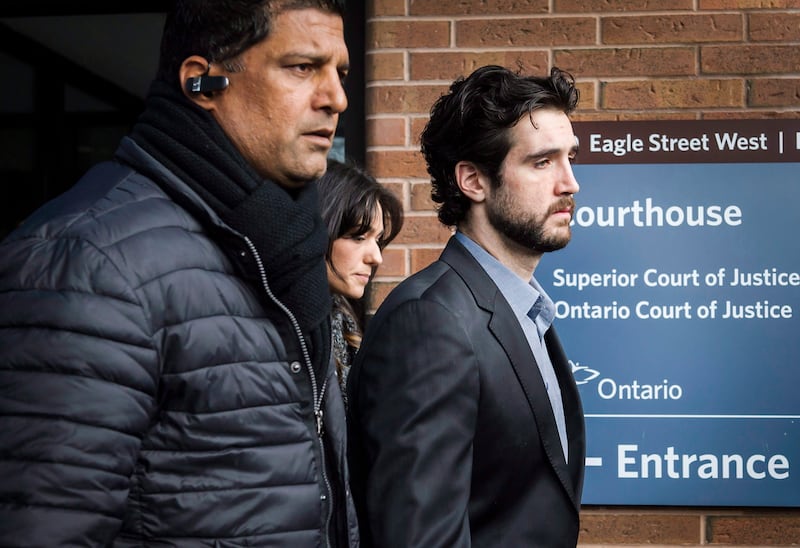
And every time going to parole... I mean, you have the option to not go but like I said, I try to hold up myself to the same standards that I kept when my children were alive. I am not the type of person to back down, to not exercise my right to represent my family, my children. The rules that are at the parole level are very... they are very hard to wrap your head around, you know? I mean, one of the first things they tell you is “the offender will lie.” They will tell you that they will say whatever they think they need to say to get what it is they want, and you have to sit there and listen to that nonsense. You have to... You can’t you can’t respond. You can’t do anything. You just have to sort of sit there. And so sitting there and listening to when the offender would reference me and his commonalities with me that was incredibly difficult because... I don’t want my name coming out of his mouth, you know? And knowing that he wasn’t being truthful is even worse, because not only do I have to hear him say my name, I know he’s lying. I know he’s doing this to save his own skin, or whatever it is, and that is a really... and I have to just sit there, lie there, and take it, essentially.
As for “Did the justice system fail my family?” That’s a hard one to answer in such a short time. My comment on that is that his warrants expired in July 2025. My children will die again for me on Sept. 27 and Sept. 28, 2025. There is a 60-day, two-month, however you look at it, discrepancy for a sentence of 10 years, with time lapsed for good behaviour and whatever else he got credit for, I don’t remember to be honest, but a sentence of 10 years that was given in March (2016), his warrants expire, parole is over in July of 2025, and in September of 2025, it will be the 10th year since my family was killed. That is an incredible, incredible... I don’t want to swear on camera, but it is the most twisted amount of time I can think of. It is akin to knowing that we celebrate Milly’s birthday. She’ll turn 13. She should turn 13. In my heart, she will turn 13. She’s frozen at two years, nine months, physically. It’s almost that same type of time distortion. So, did the justice system fail us? All I know is they didn’t come home and my sentence doesn’t end. My sentence lasts forever. And his has a warrant expiration date. His has an expiration date that’s already occurred and mine, my children’s, my husband’s, my father’s, my mother’s, my sister... ours doesn’t end.
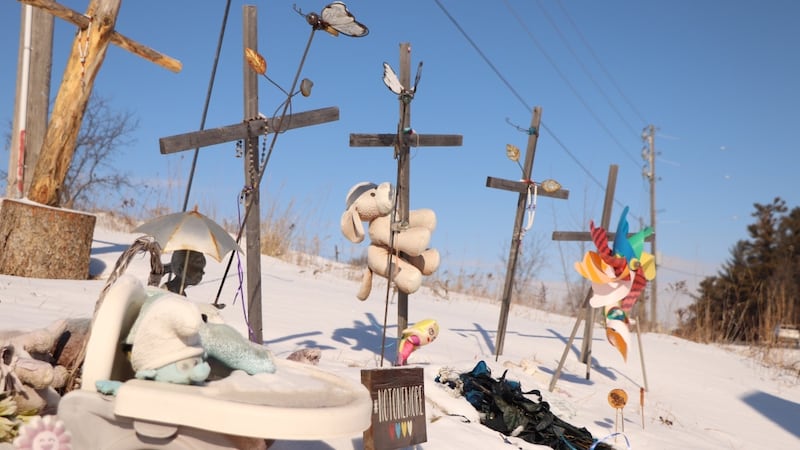
RYAN: So what happens to you going forward? What do you hope for the remainder of your life, and what would you like your legacy to be?
NEVILLE-LAKE: “Many Hands, Doing Good” is my legacy that I’m building, that I’m leaving behind. Because when it was designed, we designed it so that it honoured our children’s passions, my father’s passions, and we want it so that it will continue to help families... because at the end of the day, I still want to consider myself a helper, even if I can’t help the same way that I used to when I was actively working with kids.
What does the future hold? I don’t know. I couldn’t tell you what I’m doing a week from now, or two weeks from now. I can tell you I tell my days apart by who I see. Like I said, I thrive on routine. I don’t know. I don’t know what happens. What happens next? I have a house I’m rebuilding. I have my children’s urns to bury with their dad soon, because I didn’t want Ed and I... when we did the little keepsake ones, I got an urn that matched what my father... My children sleep with my dad, and I got one that was like my dad’s, but smaller, and then I had little keepsake ones... sorry, glass tea-light ones, and those were the ones that were lost in the fire. And so the pieces that we found... obviously, I suck at taking care of them... I’m going to inter them with their dad, and then when my time comes, I hope that they will be put with me and our family will be together again.
That’s what forward is for me right now. There are the practical parts that my rehab team will tell you about. I was my sister’s guardian after the crash because of everything that happened, and I’m just wrapping up that process right now. I have gardens to plant and hopefully not kill so I can grow things and process them next year, because I have a house to rebuild. I have an orchard to plant, we’ll see. “Many Hands, Doing Good” to continue to grow. The boards just, a few months ago, agreed to fund play therapy, so now we offer art therapy, music therapy, play therapy, which is great. I hope it’ll reach more kids and more families, because every time we help someone makes me feel good too.