When the summer heat settles over Toronto and the city slips into soccer fever, with chants echoing from pub patios to the streets, the World Cup fervor comes with a caveat: bars and restaurants can host the crowds, but they can’t advertise “World Cup” watch parties or use any official branding—golden trophy included.
As Toronto readies itself to host throngs of soccer fans from across the globe, eating a hefty multi-million-dollar bill for a generous helping of revenue, the city will also have to adhere to the stipulations laid out in its agreement to hosting the World Cup, including protecting corporate trademarks.
“This is quite common for FIFA to do this because there’s money involved,” Diana Mansour, a lawyer from Gardiner Roberts LLP specializing in intellectual property law, said in an interview with CTV News Toronto. “This is massive advertising for any business and for the city, wherever the host city is, that’s one of their policies.”
Part of its agreement as a host city includes enforcing FIFA’s trademark rights, including implementing a brand-exclusive zone circling the Toronto Stadium and FIFA Fan Festival. This “controlled area,” as the city calls it, envelops a two-kilometre radius surrounding the arena on match days and the days before a game.
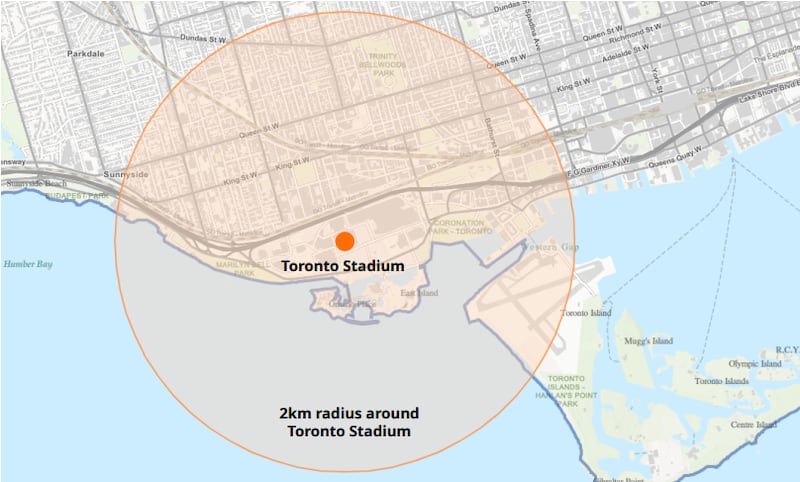
Bylaw officers are expected to keep a watchful eye and see if anyone uses any of FIFA’s intellectual property, which includes anything from branding, logos, mascots, and slogans.
Mansour says the city bears the responsibility of educating the dos and don’ts surrounding unaffiliated celebrations during the World Cup tournament.
“The average person isn’t going to even know what trademark infringement is, for example,” Mansour said.
The city created a guide for the community on what they can or cannot say, use or write when organizing World Cup-oriented celebrations during that time.
Should a bar, for example, want to host a watch party for the World Cup, the city says it can use generic soccer-themed decorations and share the excitement online with approved hashtags, but it cannot imply any formal connection to FIFA or the World Cup, create ‘lookalike’ branding or retweet official FIFA content for commercial use.
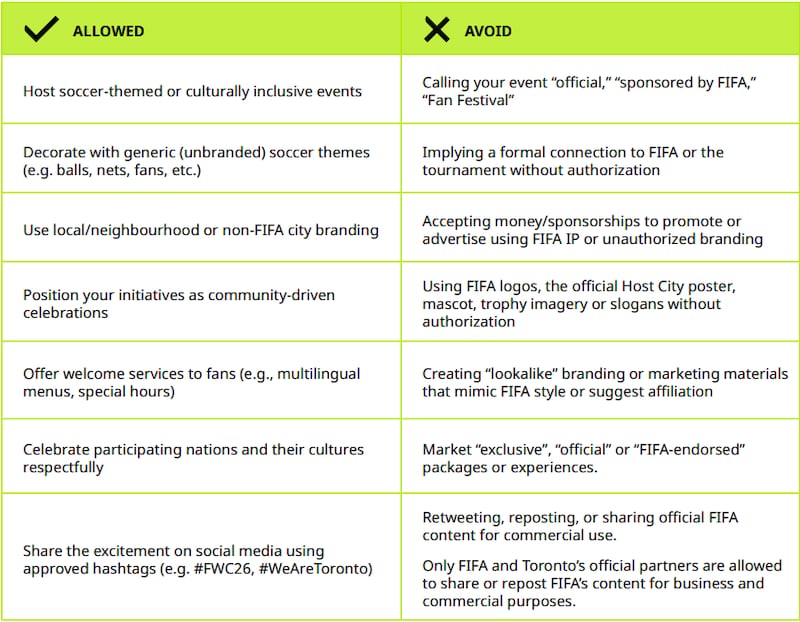
Unless a business or organization is legally permitted to use FIFA’s intellectual property—meaning if they are an official partner, host city stake holder or sponsor, for example—they are otherwise not allowed to use official tournament logos (including the trophy symbol and Host City logo), branded visuals, phrases and terms (like FIFA, World Cup, FIFA World Cup 26 and FIFA World Cup 26 Toronto), as well as slogans, like “We Are Toronto” and “We Are 26.”
How will this be enforced?
Vancouver’s city council approved a FIFA-specific bylaw where $1,000 tickets can be issued for a range of infractions, including “distributing advertising matter on streets,” so that the city can ensure it is meeting its obligation to protect FIFA’s branding and trademarks.
- READ MORE: Vancouver will issue $1,000 bylaw tickets for some infractions during World Cup. Here’s why
But Toronto tells CTV News Toronto it is still working with FIFA to “define the brand protection zone, associated requirements and any related operational needs for the tournament.”
“The City will enforce its existing bylaws, including those related to illegal vending and operating without a required business license,” the city said in an email, adding it is still finalizing the details of how to staff and enforce penalties specific to FIFA’s intellectual property with its partners.
Why is FIFA calling for this?
Brett Caraway, associate professor of media economics at the University of Toronto, tells CTV News Toronto that FIFA’s implementation of a brand-exclusive zone during the World Cup isn’t uncommon today, noting the revenue earned from a tournament like this is not just seen through ticket sales anymore.
“Probably more important for this particular instance, it has to do with partnering with other firms who can come in and advertise, but they pay big money for those sponsorships,” Caraway said. “I think what’s happening now is trademark law isn’t being used to explain to the consumer that this is indeed FIFA…it is being used to secure additional revenue models.”
In FIFA’s intellectual property guidelines, it illustrates the importance to protect its branding as it grants certain commercial rights (from broadcasting to promotional rights) to various rights holders, who have made “vital financial contributions to ensure that the Tournament can be staged and investments can be made in further developing the game worldwide.”
Some of FIFA’s partners include Adidas, Coca Cola and Visa, with some World Cup sponsors including the likes of Budweiser and McDonald’s.
“In the sense that if a partnering organization signs up as a sponsor, they pay big money to do that,” Caraway said.
“What incentive do they have to enter into those arrangements if they know anybody can sort of flood the zone with their own marketing and just do it for free? They have to make it exclusive.”
Businesses have been barred from using logos before
Local bars have been swept up in the sports fervor, most recently when the Toronto Blue Jays advanced to the World Series—the first time in decades—and excitement in the city reached a fever pitch.
Bandwagoners and diehard fans who could not clinch a ticket to any of the home games flocked to their local watering holes to watch the team play, though Sneaky Dee’s, a popular venue in the Annex, was hit with a warning letter from the Blue Jays about using the logo in its watch party promotional material online.
The Blue Jays expressed gratitude for the support but ultimately said the use of its branding (the logo and players images) can only be used for promotional purposes by the team’s official partners.
Then back when Vancouver hosted the 2010 Olympics, a restaurant in the city’s west end drew ire from the city’s Olympic Committee for some of its signage, which featured the trademarked rings and torch. Though there was constant pressure to pull it down, the Olympia Restaurant owner refused.
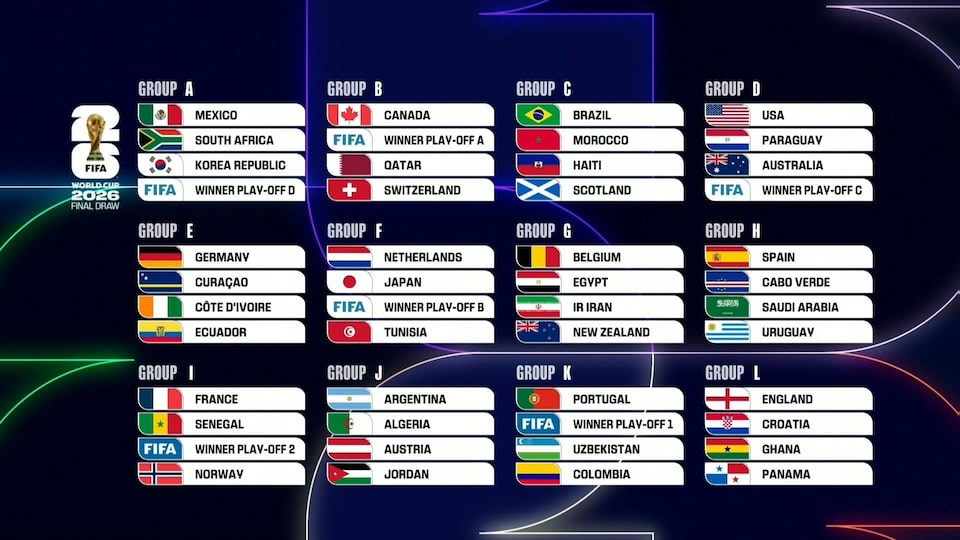
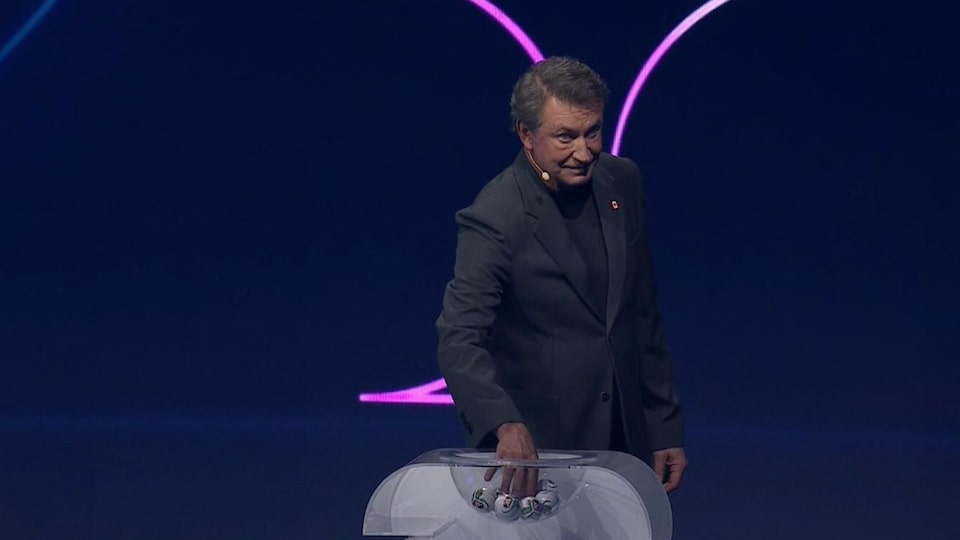
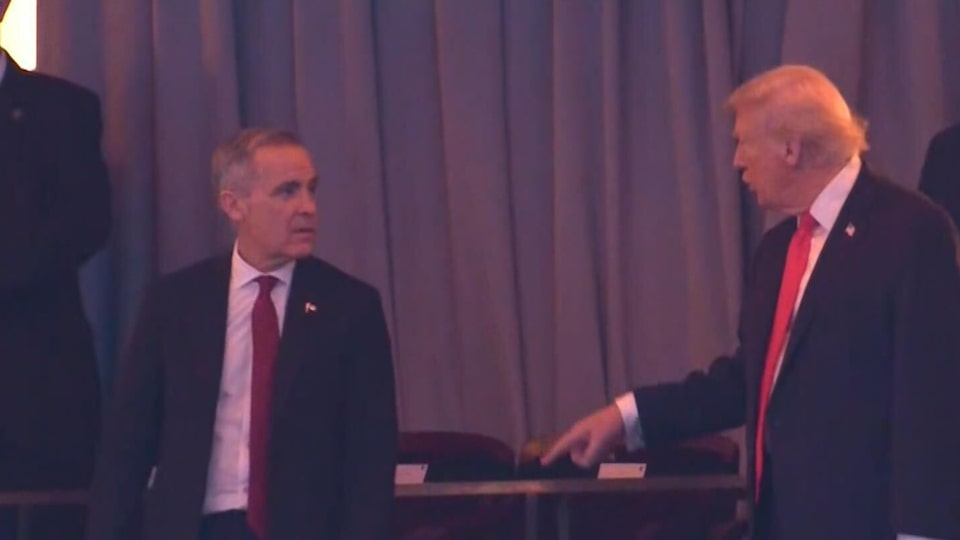
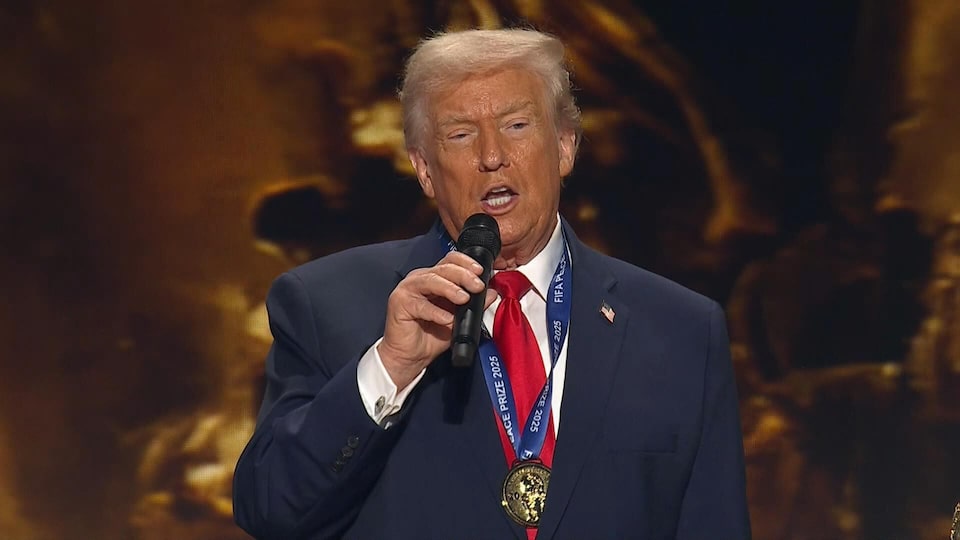
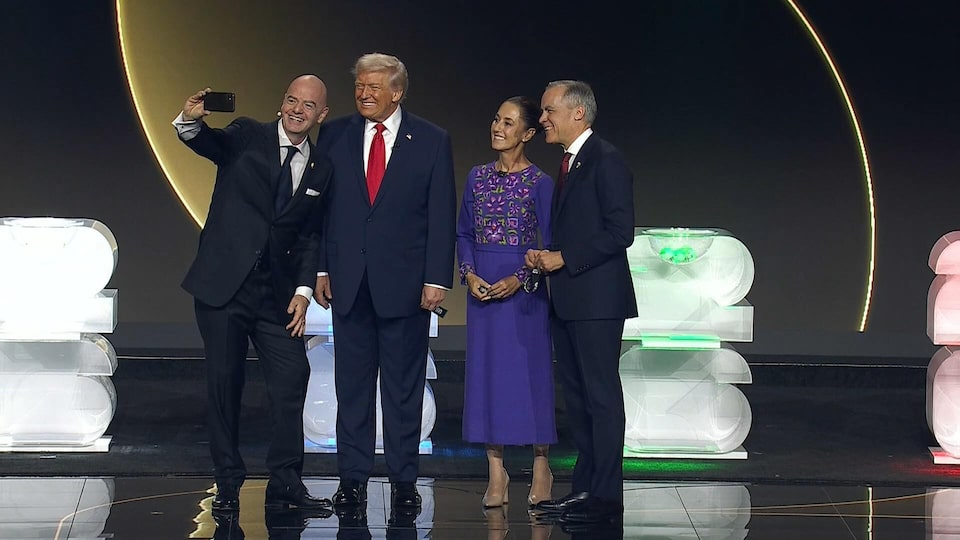
On Friday, at the John F. Kennedy Center of Performing Arts in Washington, D.C., the country matchups for the starting games during the World Cup will be revealed. Canada’s first game, however, has already been announced, hitting Canadian soil for the first time ever at the Toronto Stadium on June 12.
With files from The Canadian Press