The number of people killed in collisions on Toronto’s roads in 2015 is the lowest it has been in a decade, according to new data from the city’s Vision Zero plan.
Last year, there were 39 traffic fatalities in Toronto. This is the lowest number recorded since the road safety strategy was launched in 2016, when 78 people were killed.
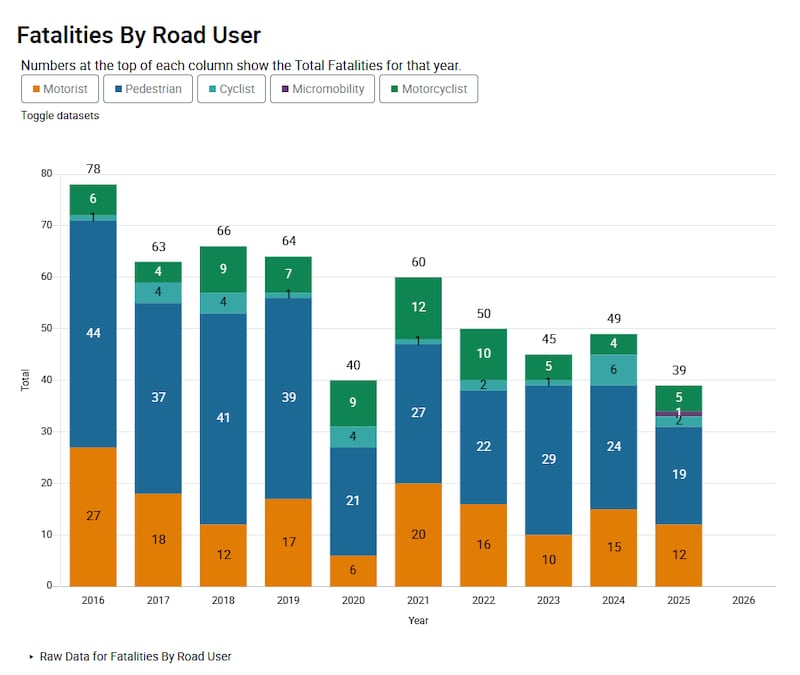
Vision Zero is a comprehensive action plan that has the goal of eliminating all traffic-related fatalities and serious injuries. It prioritizes vulnerable road users – specifically pedestrians, school children, older adults, and cyclists – through extensive, proactive, targeted and data-driven initiatives. Looking at factors that contribute to serious injury and fatality crashes, Vision Zero also focuses on aggressive and distracted driving, safety for motorcyclists, and heavy trucks.
Speaking with CP24 on Monday afternoon, Sheyda Saneinejad, the city’s manager of Vision Zero Projects, attributed the drop in traffic fatalities to a “consistent effort in having increasing the budget and the amount of investment that (the city is) making in road safety, adding the wide range of countermeasures and road safety initiatives that are part of a road safety plan.
“So no one silver bullet, but an array of options and expanding the magnitude of each of those programs,” she said, noting last year the City of Toronto invested close to $100 million for a range of capital and operating programs, including geometric modifications to the road network, a traffic calming program, school crossing guards, a red light camera program, and adding safer pedestrian crossing opportunities like traffic signals, to name a few.
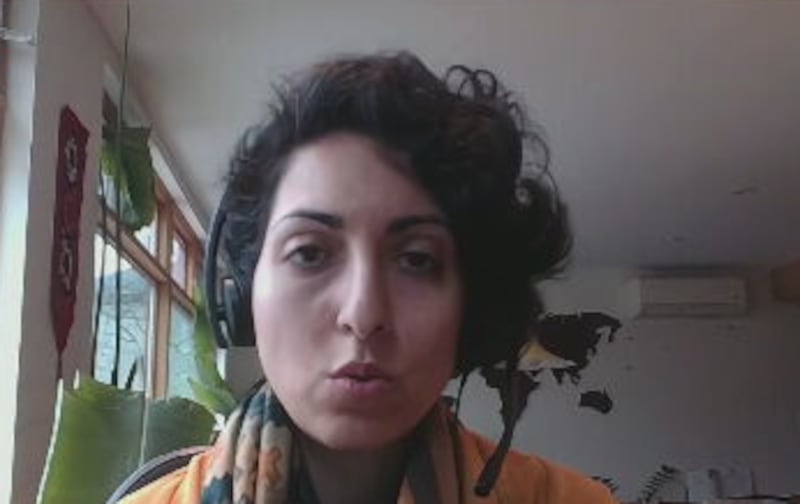
Saneinejad said the way to continue this downward trend is for the city to continue to expand on its range of initiatives and countermeasures, by working with all levels of government to continue that investment and investigating new road safety tools. She added that looking around at what other Vision Zero cities are doing and expanding there as well also makes sense.
Further, she urged people to do their part by looking out for each other and setting aside ample time to get from Point A to Point B to avoid distracted driving.
Ban could lead to more deaths: advocates
This encouraging trend, however, could see by short lived with Ontario recently imposing a ban on automated speed enforcement cameras, say advocates, who note that while Premier Doug Ford is calling the devices a “cash grab,” a study by SickKids Hospital found that they actually reduce speeding by 45 per cent.
With that safety tool no longer available, other road safety measures are must now be considered in the province, including high-visibility signage, crosswalks, roundabout, and even speed bumps.
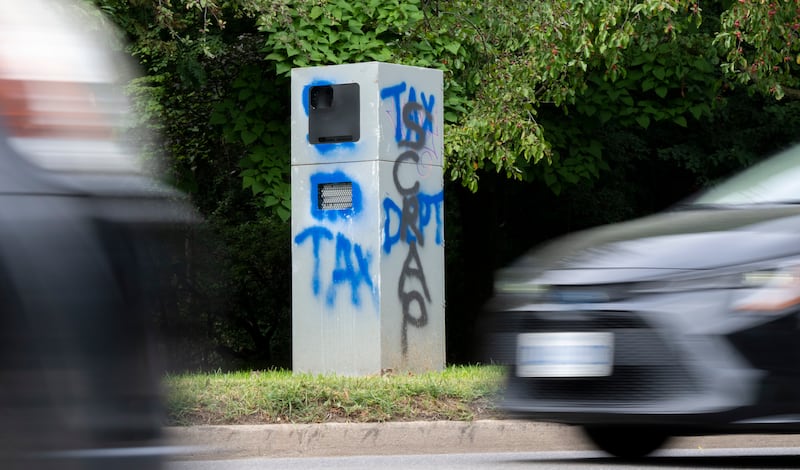
The provincial government has said that it will invest $210 million for these efforts, especially in school and community safety zones.
Advocates, meanwhile, say they have yet to see the plans to implement those changes and want the City of Toronto to take urgent action.
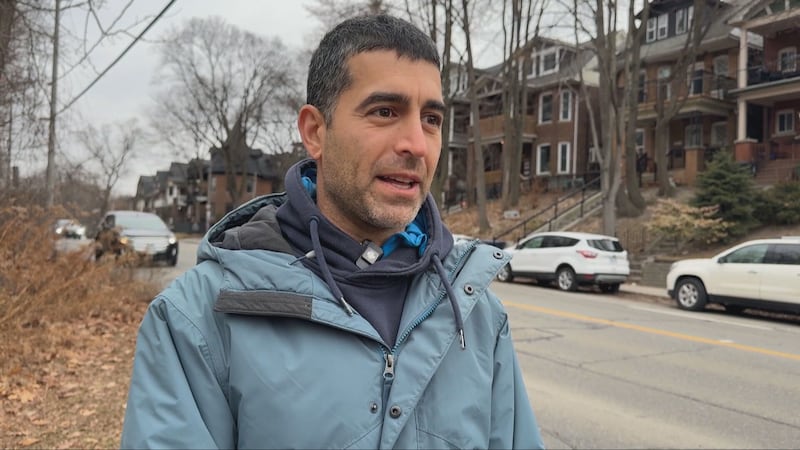
“We need our leadership to show that they’re committed to addressing speeding in more ways than just a speed camera, because now we don’t even have that,” said Faraz Gholizadeh, who is the co-chair of the Safe Parkside community group, which was formed in response to a number of collisions involving vulnerable road users on that busy arterial road.
“When you take away a safety feature as effective as a speed camera, you’re not going to see speeding and deaths ultimately go down. It’s only going to go up from here. And it’s really unfortunate, the direction we’re headed.”
Toronto Coun. Paula Fletcher said speed cameras were an effective tool in making roads safer.
“Advocates that are worried have a right to be worried because our vision zero plan has many, many prongs to it, one of the big prongs was our speed safety cameras,” she told CTV News Toronto on Monday.
“They have been removed and now we have to look at ways to maintain the safety on our roads that we’ve managed to achieve in 10 years.”
She said speed humps are being requested at city council in Scarborough, but they can’t be used on every street.
“I hope we can have more traffic wardens that slow down cars that are sort of rushing through an intersection, I hope we can put in more crossing stop signs. But this is back to the drawing board because our traditional tools, we’ve used all of those tools,” The Toronto-Danforth rep said.
Saneinejad, from the city, said while automated speed enforcement was “certainly an effective tool in our speed management toolbox,” it is no longer an option.
“We continue to look at other options in the toolbox and expand it in our existing programs to make sure we account for that loss,” she said.
Drop in fatalities good, but not enough
Gholizadeh went on to say that while its good news that the number of traffic fatalities in Toronto is decreasing, he won’t be satisfied until there are no road deaths.
“Unfortunately, it’s still a very high number, 39, and that’s a lot of families that went without their loved one this holiday season, and a lot more clearly needs to be done,” he said.
Gholizadeh noted that speeding has been a significant issue more than a decade on Parkside, which has seen several serious, fatal collisions.
“If you ask Parkside residents they’ll tell you that the city’s Vision Zero commitment rings completely hollow, that they’re not really committed to reaching Vision Zero. They’re more of a Vision 40 kind of city and they seem content with that unfortunately,” he said, adding the solution is to design safer streets, ones that are narrower with bike lanes and other traffic-calming measures.
Albert Koehl, of the group Community Bikeways, agreed.
He told CP24 that consistent, long-term investment in road safety measures, including bike lanes and speed cameras, is key.
“What really the goal is, and this is the Vision Zero goal, not just in Canada but across the world, is that we want roads that are designed so that when someone makes a mistake, that could be a driver that’s distracted, could be a pedestrian that is, you know, looking somewhere, or a cyclist … we don’t want those mistakes to be deadly or to cause a serious injury,” he said.
“So the whole point of the Vision Zero is that we do, ultimately – and this costs a lot of money – redesign our roads so that a mistake doesn’t end up being a fatality.”
Koehl added that there’s a long way to go as the roads we have today are ultimately the result of planning decisions in the 1950s and 60s “when cars were going to solve all of our problems.”
“We have a different set of priorities today, and that takes money and commitment,” he said.
An upcomng Vision Zero report is expected to look at the impact of removing speed cameras.
Toronto police say so far this year, which began less than two weeks ago, there have been less than two deaths – both pedestrians – on the city’s roads.
With files from CTV News Toronto’s Allison Hurst and CP24’s Melissa Duggan