While winter is a frigid reality in most of Canada, it isn’t a major issue for the vast majority of the Toronto Zoo’s roughly 3,000 animals, says Marc Brandson, one of its managers of wildlife care.
Many of the Scarborough-based zoo’s animals have roots in other parts of the world – notably tropical regions with warmer climates. However the animals - even the tropical ones - are, for most part, acclimated to Canada’s four seasons.
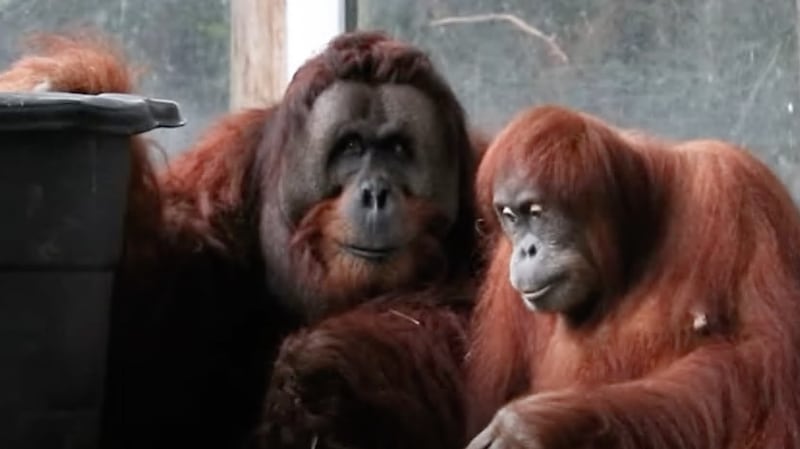
“A lot of our animals are Toronto animals,” Brandson said, adding all of the 200 or so species at the Toronto Zoo are actually zoo-born, many of which are managed through survival plans.
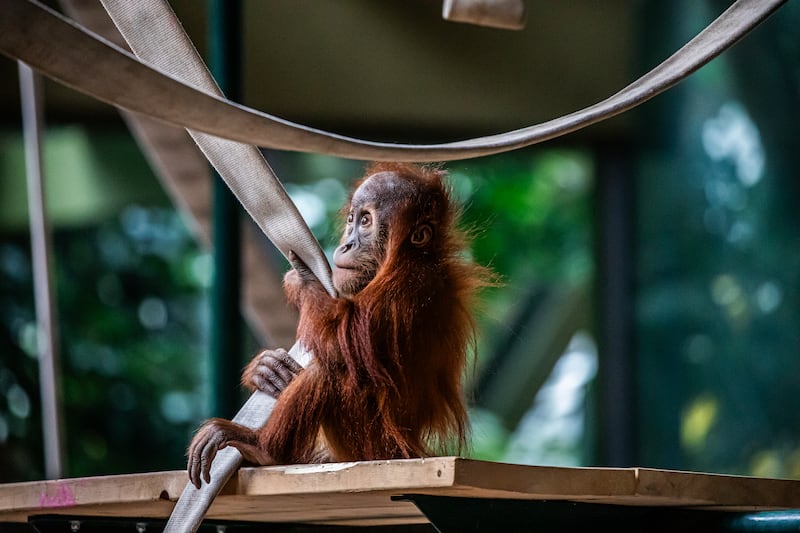
This is the case, he noted, for the zoo’s Sumatran orangutangs and Western lowland gorillas, who originate in the jungles of Africa, but now get by just fine all year long in southern Ontario.
Brandson said the Toronto Zoo takes a number of steps in the winter to keep its animals comfortable and ensure they don’t experience harmful outcomes when the temperature plunges.
Preparation for this transition begins in the fall.
“We prepare ahead of time so its easier for the animals,” said Brandson, whose job entails handling all wildlife care operations at the Toronto Zoo from caring for the animals to undertaking projects associated with them and everything in between.
One such measure, he said, is to provide them with what the Toronto Zoo refers to as “heat zones.”
“A lot of our animals are actually given warm spaces, heated shelters. … We offer them indoor and outdoor options,” he said, adding a similar model is also followed in the summer, when the zoo’s inhabitants are provided “comfort zones” and other options to help them cool down.
Brandson said any animals they acquire from zoos in warmer climates are given a gradual acclimation period to assist them in getting used to our bitterly cold winters and hot, humid summers.
“This is one of our projects at the zoo, to expand seasons for animals,” he said.
“A lot of the decisions we make with the animals at the zoo is for their ability for them to be a four-season animal.”
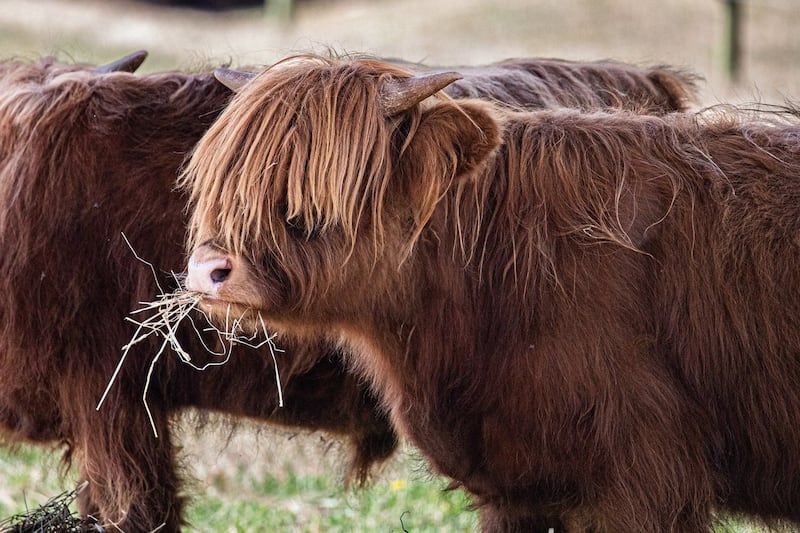
In the winter, the Toronto Zoo also modifies the diets of some animals, especially those who have hooves, as it does take more energy for this type of species to keep warm, Brandson explained.
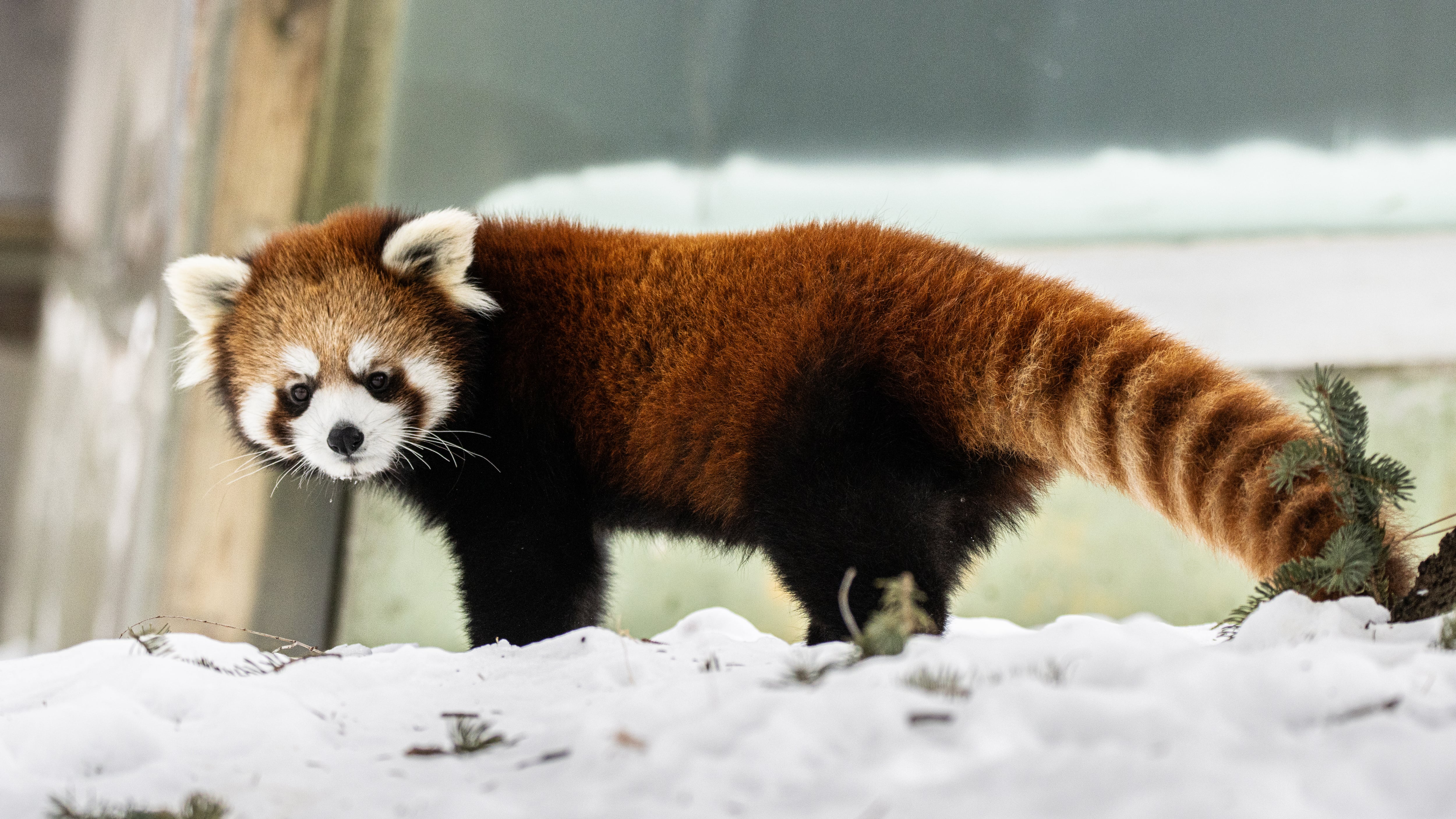
There are several animals at the zoo who love and thrive in the colder weather, like snow leopards and red pandas, who are both originally from the Himalayas, as well as polar bears from the Arctic.
“They’re loving life right now. These are the animals at the Toronto Zoo that are most acclimated to the cold,” he said.

Red pandas, Brandson added, actually do better around 18C and as a result the zoo is now working to build a brand-new habitat for them.
Some animals at the Toronto Zoo, notably yaks, caribou, alpacas, cougars, and its new Highland cows, grow a thick coat to keep warm at this time of the year, said Brandson.
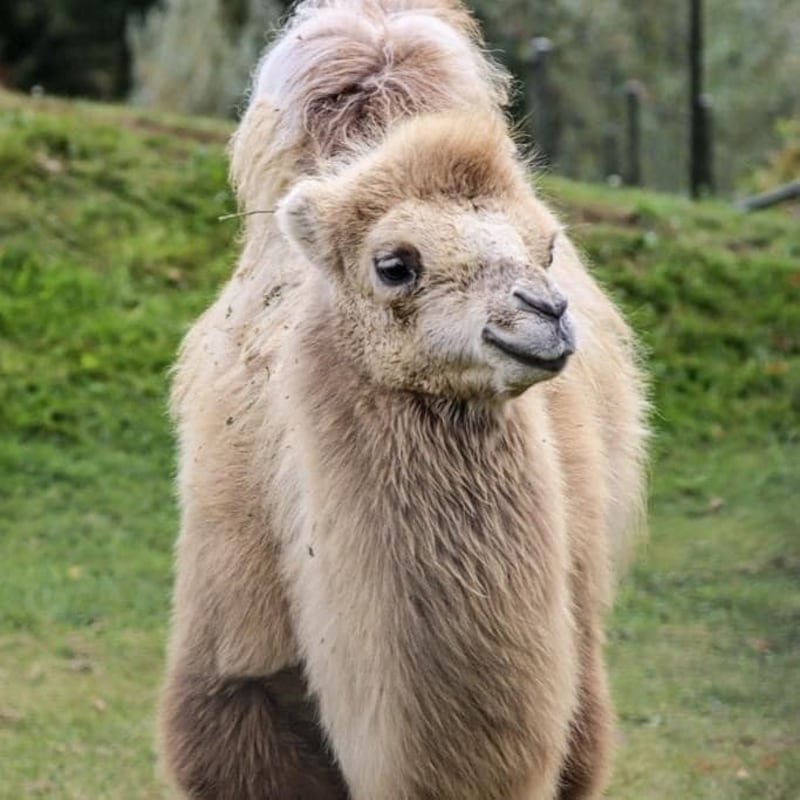
Another unique animal at the Toronto Zoo that does well in different temps is the Bactrian camel, which is originally from Central Asia’s Gobi Desert. This double-humped mammal, also known as a Mongolian camel, can withstand temperatures ranging from -50 C to 50 C, Brandson said.
Other animals at the zoo, like grizzly bears, may not be visible during the winter as they prefer to take a long nap when the temperature drops and hibernate throughout the winter months.

The Toronto Zoo’s marmots, large rodents that are part of the squirrel family, are known as true hibernators as they can spend up to eight months of the year sleeping in their burrows. These animals are part of a conservation program at the zoo.
“They’re basically marmot popsicles for the entirety of the winter,” Brandson said.
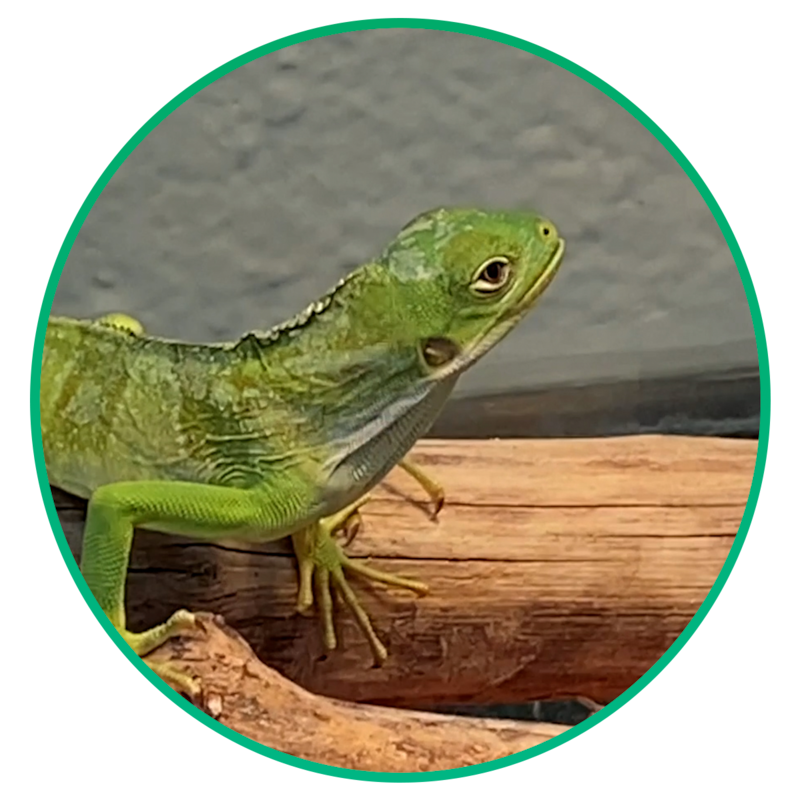
On the other hand, there are some animals at the Toronto Zoo who physically cannot handle the cold, especially those who are cold-blooded and can’t regulate their body temperature such as lizards and other amphibians as well as some types of fish. Those animals remain in temperature-controlled environments, like pavilions, throughout the year, Brandson explained.
It’s all about ensuring the animals at the Toronto Zoo are able to function in optimal ways throughout the year.
“We cater to their needs. … Our goal is for our animals to thrive,” Brandson said.