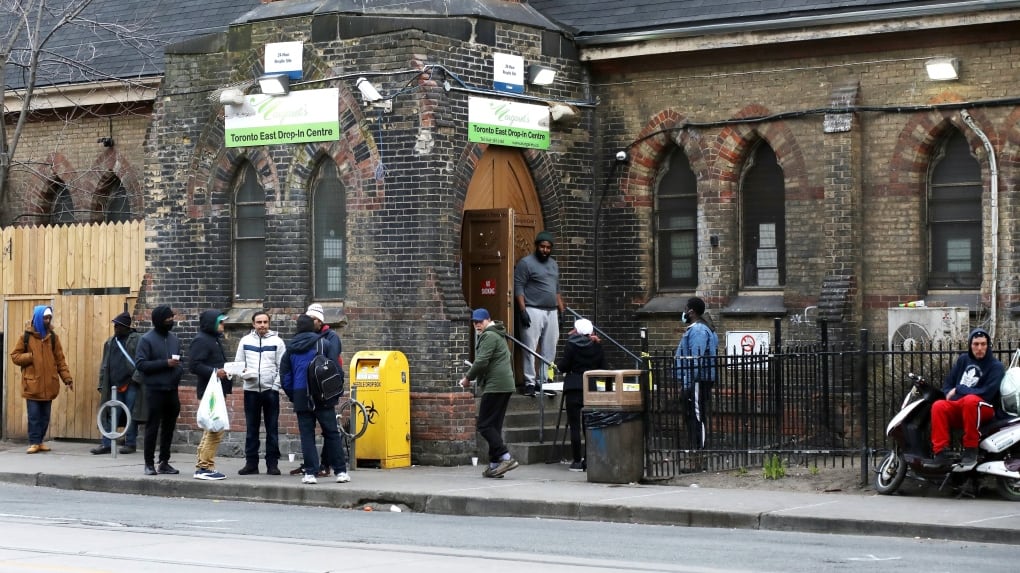
A Toronto-based network representing more than 50 drop-in centres and allied community agencies says overdoses recorded within these spaces have skyrocketed since new provincial legislation forced four supervised consumption sites (SCS) in the city to shut down this spring.
According to data collected by the Toronto Drop-In Network (TDIN), overdoses at its member locations are up by 288 per cent in the month of June, compared to the previous year.
The network said it immediately noted a sharp increase in overdoses at the drop-ins under its umbrella in the month following the closures, which were ordered to take effect by no later than March 31.
The increase in April amounted to a 75 per cent jump from the same month in 2024.
The following month, the city’s drop-ins saw 175 per cent more overdoses than in May 2024, TDIN found.
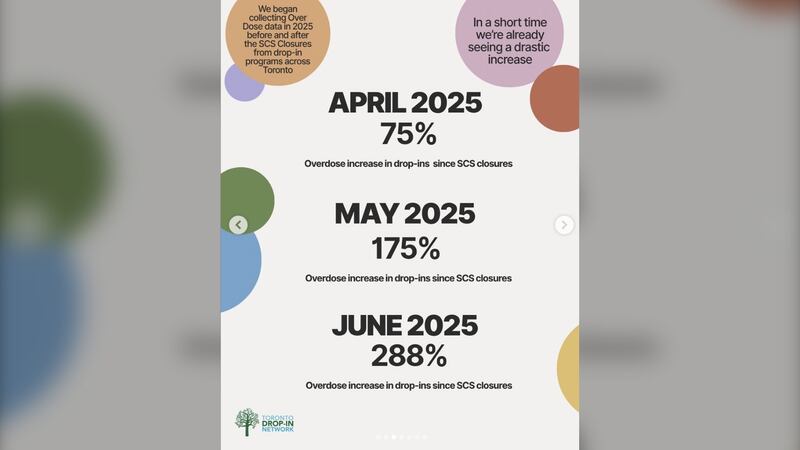
To put things in perspective, the network’s manager said their member organizations, which serve people who are homeless, marginally housed, or socially isolated, were reporting less than 10 overdoses per month at their sites prior to the March closure of four supervised consumption sites in Toronto. Those numbers have now reached the high-60s, Melanie Joy said.
Calling the increase “staggering” and “alarming,” Joy said drop-in staff have not been able to reverse every overdose they’ve encountered, and that there have been some fatalities.
“In addition to the tragic loss of human life, drop-in staff have now been forced to become first responders,” Joy said.
“Imagine what it’s like to be serving a meal one minute, responding to an overdose the next, and then returning to meal service. The trauma associated with responding to an overdose cannot be quantified with a data point.“
The Toronto Drop-In Network started collecting overdose data at drop-in centres prior to the March 31 closure of the four supervised consumption sites, adding that in the last three months it has seen a “devastating jump.”
“We predicted this would happen, and as a community we warned decision-makers. The community mobilized, petitioned, held vigils, and spoke out. But too many of our warnings were ignored,” Joy said.
“The services provided at SCSs reduce overdose deaths, prevent the spread of infectious disease, and connect people to critical community services including housing, mental health support, and care.”
Responding to overdoses without supports ‘terrifying’: drop-in worker
Sarah Ovens works at a drop-in centre in the city’s downtown east area that previously had four supervised consumption sites in close proximity but is now down to two since this spring.
She said she’s experienced the reality of the overdose data gathered by TDIN firsthand.
“I hadn’t crawled under a bathroom stall door in many years (to help someone experiencing an overdose), and we’re back to having to do things like that,” she told CTV News Toronto on Wednesday evening.
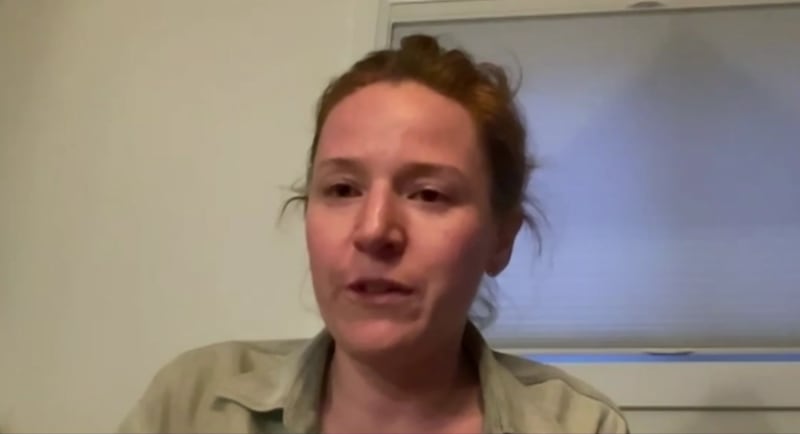
Ovens, who is a member of the Toronto Overdose Prevention Society, helped set up and operate Toronto’s first unsanctioned overdose prevention site at Moss Park in 2017, which within about a year became a provincially funded consumption and treatment service that provided both supervised consumption as well as a range of services and supports for people who use drugs.
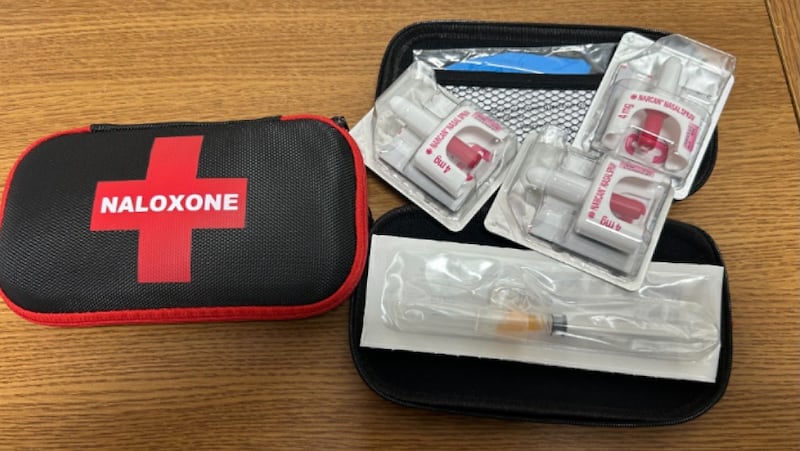
“And the difference between that and having somebody come running in the door screaming that somebody is not breathing outside, and you’re not expecting it and you don’t know how long they have been out there and have been without oxygen, and you’re running to grab the naloxone and somebody call 911 … it’s a really terrifying, awful experience for everybody involved,” she shared.
“There’s no need for it. We have a proven, evidence-based that is so cheap. It’s really so cost-effective to run these places and it’s saved so much money to our system.”
Ovens said people who use drugs in this city haven’t disappeared, just because many of the places where they safely consumed unregulated substances shut down.
“Closing safe injection sites does not make people disappear. These people do not just, like, go poof into thin air. When you close these sites, they go somewhere and they still have struggles,” she said, adding this has led many to consume their substances in and around drop-in centres, in restaurants, businesses, coffee shops, and other unsafe places – often alone.
“This is what it was like before the sites opened and this is why many of us were so desperate to see (them) opened and why we worked so hard to get these sites opened.”
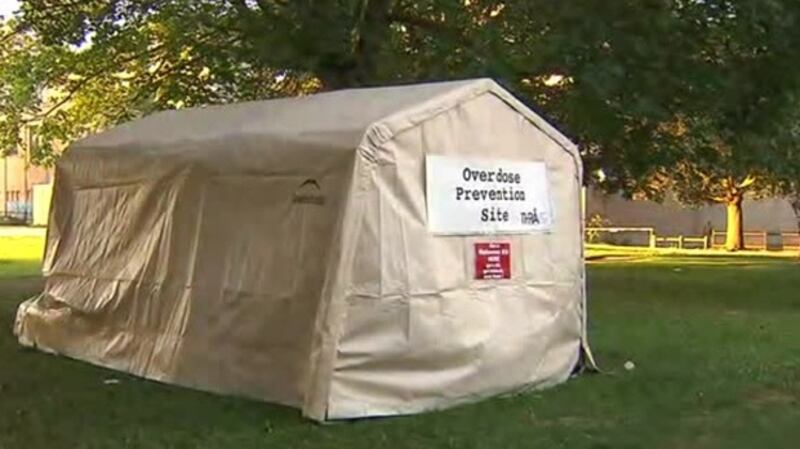
Province reviewed SCSs after bystander killed
Two summers ago, the province launched a review of supervised consumption services across Ontario after an innocent bystander was fatally shot near the South Riverdale Community Health Centre, at Queen Street East and Carlaw Avenue in Leslieville.
In December, the Ford government passed legislation that made it illegal to operate a supervised consumption site within 200 metres of a school or daycare.
The same legislation also prohibited municipalities or organizations from opening new sites or seeking federal money for safe supply programs, without the province’s approval. That new law also put a freeze on any new supervised consumption sites.
A spokesperson for the Ontario Minister of Health says the provincial government’s “focus is on offering people struggling with mental health and addictions challenges a pathway to treatment, not giving them tools to use illicit drugs.”
They suggested that the government is doing that, in part, by transitioning nine of the 10 shuttered sites to Homelessness and Addiction Recovery Treatment (HART) Hubs.
“We are building a system of care focused on connecting people to treatment, support, and recovery, investing $550 million to build 28 new Homelessness and Addiction Recovery Treatment Hubs across the province. (They) provide people facing mental health challenges with 24/7 support to connect them with treatment and recovery options, while giving them support to break the cycle of addiction,” Ema Popovic said in a written statement provided to CTV News Toronto.
The province previously said these hubs would offer “24/7 intake, medical monitoring and referrals; outreach, wrap-around services, and supportive housing connection substance use treatment and primary care, as well as outpatient medical specialty services.”
None of what province promised has been fulfilled, says drop-in worker
Ovens, however, charged that the promises made by the Ford government when it comes to HART Hubs have not be fulfilled.
“This smooth transition with the sites closing is absolutely false. None of what has been promised is available still to this day,” she said.
“People are now overdosing in our bathrooms and they’re overdosing in our parking lot.”
Popovic, meanwhile, said that “each HART hub transitioning from a drug injection site, including those in Toronto, opened their doors on April 1st, as planned, and their operations were supported by funding from the province.”
“The Ministry has signed agreements for operational funding with each HART Hub that has met its obligations under its terms and conditions. For Hubs where they have yet to meet their obligations, we have extended start-up funding to continue to support their delivery of comprehensive mental health and addiction support with the goal of signing a permanent operational agreement as soon as possible,” she said.
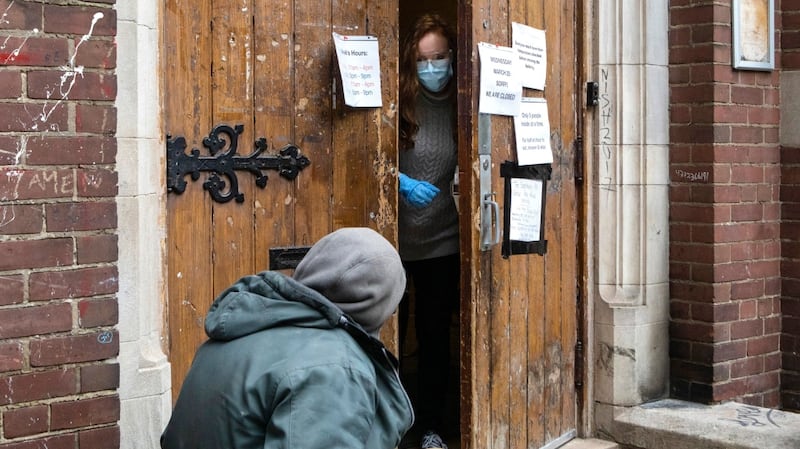
Joy, of TDIN, says the same life-saving harm reduction services and programs that were offered at the now-shuttered supervised consumption sites should still be made available to people who use drugs.
“We need infrastructure that includes harm reduction supports and care. Without it, we will continue to see a devastating increase in overdoses and overdose related deaths in drop-in centres and in the broader community,” the TDIN manager said.
“We are urging the province to include harm reduction services in the new HART Hub model, that includes safe consumption, safe inhalation and needle exchange. Harm reduction is the only evidenced-based model of care that prevents the spread of infectious diseases and loss of human life.”
With files from CTV News Toronto’s Siobhan Morris
Correction
A previous version of this story incorrectly stated that five supervised consumption sites in Toronto have closed since provincial legislation took effect. In fact, only four sites have closed. The fifth remains open pending the outcome of a legal challenge.