Toronto Public Health is warning of a jump in reported opioid overdoses during this year’s holiday season compared to the last two.
READ MORE: Canada saw massive drop in overdose-related deaths year-over-year: Health Canada data
There have been 122 suspected opioid overdose reports between Dec. 20 and 28, the health unit said Monday. That’s a 35 per cent increase compared to the same period in the last two years, it added.
“The number of suspected overdose deaths is comparable to the same period in 2024 (under five), and overdoses are occurring citywide,” Dr. Shovita Padhi, associate medical officer of health, told CP24 on Tuesday.
“Overall, the month of December’s daily average of 11 overdose paramedic calls exceeded the average of eight daily calls during the previous 11 months.”
1/5 #DrugAlertTO: @TorontoMedics services attended a high number of suspected opioid overdose-related calls from December 20 to December 28, 2025: https://t.co/AxxmacPABQ
— Toronto Public Health (@TOPublicHealth) December 29, 2025
Fatal overdoses are down year-over-year
Although holiday overdose calls are up, 2025 has so far recorded less opioid deaths than any of the last five years.
Data from Toronto’s Overdose Information System shows that the first 11 months of 2025 had fewer opioid deaths then the last five years during the same periods.
Toronto Public Health warned that “(opioid) samples expected to be fentanyl were heavily contaminated by veterinary tranquilizer medetomidine."
It added that medetomidine can “decrease levels of consciousness,” contributing to the risk of overdose.
Fentanyl, howver, made up a large portion of tested drugs in the city - about 37 per cent according to the Toronto Drug Checking Service.
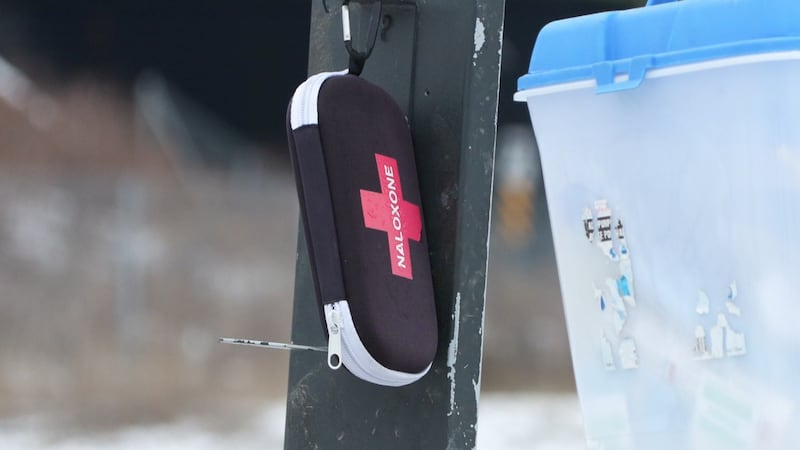
The health unit is advising opioid users not to use alone, urging people who use drugs to “buddy up with someone who you trust,” adding that people should keep naloxone on hand and use supervised consumption sites when they’re able to.
- ‘Detrimental impacts’: Ontario announces closure of 10 supervised drug consumption sites
- Nine Ontario supervised consumption sites to close despite injunction, minister says
’Something that we were expecting,’ yet ‘quite concerning’
Speaking with CP24 on Tuesday afternoon, Diana Chan McNally, a long-time community and crisis worker, said this spike in holiday-time drug overdoses in the city is “something that should not be surprising to anyone who’s working in harm reduction, who’s been working in health care for any period of time.”
“We see with this unregulated supply, again, that we’re seeing all kinds of different chemicals, different kinds of drugs, being mixed in the supply, and quite frankly, a lot of people don’t know what they’re taking, and moreover, they don’t have the ability to actually check their drugs ahead of time,” she told CP24 on Tuesday afternoon.
“So seeing this spike in overdose calls, I think is something that we were expecting, but seeing the level at which it’s at, it’s quite concerning.”
‘War’ on harm reduction programs
Chan McNally said the recommendations that people who use drugs not consume them alone and that they carry the opioid overdose-reversing medication, naloxone, are both good, however the root of the problem lies in the toxic unregulated supply as well as the fact that people who use drugs have less resources to prevent harm.
“We also have a war, essentially, on harm reduction programs and the shutdown of supervised consumption sites that’s largely coming from the provincial level,” she said.
“Without these kinds of services, without people being able to actually access these sites, access harm reduction supplies, you will see, as a result of that an increase of overdoses, especially in public spaces. So, you know, I would recommend absolutely that we expand harm reduction and, of course, reopen supervised consumption sites as well.”
- Drug checking in Toronto could be significantly impacted by closure of supervised consumption sites
- Overdoses at Toronto drop-in centres have spiked since closure of 4 supervised consumption sites: network
She went on to say that the reduced access and loss of these vital services as created a “very dangerous situation” where people who use drugs do not have a lot of safety mechanisms in place to ensure they don’t overdose.
She added that this is actually tying up paramedic resources “with something which is entirely preventable if we actually invested in harm reduction and address the toxic drug supply.”
“So this has health implications for everybody as a result,” Chan McNally said.
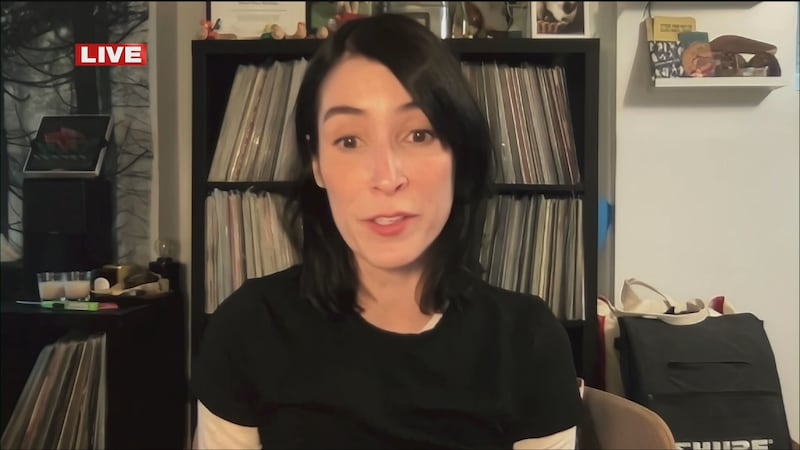
And while the holiday season is typically a time when drug overdoses increase, she said the frigid weather is also a key factor, along with the “circumstances people are in.”
“It’s been awful weather for a lot of people and try and escape us, try and stay warm. Sometimes people will use drugs as a result of that,” Chan McNally said.
“We have increasing homelessness all across this province, not just the city. And of course, the holiday season is a really, really hard time for people. So I think all together, again, combined with this very toxic drug supply, these are coalescing to actually create the overdose situation that we’re seeing right now.”